Air Fryers
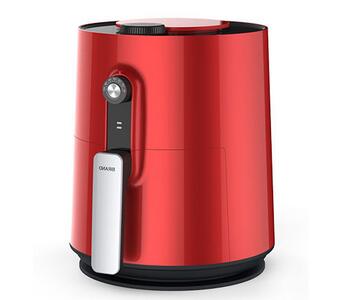
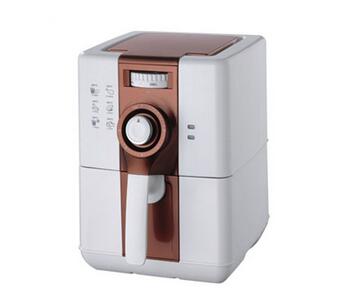
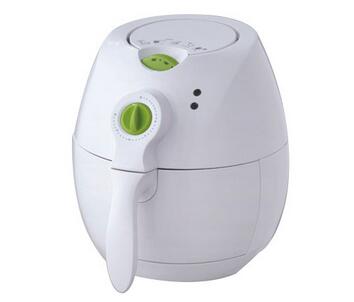
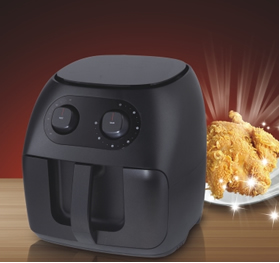
Source high-quality air fryers directly from vetted manufacturers and wholesale suppliers. Designed for importers, distributors, and appliance brands seeking reliable OEM and private-label production. Ensure strict safety compliance, consistent thermal performance, and premium build quality across your high-volume orders.
Sourcing air fryers in today's saturated market requires more than just finding an attractive housing design. To avoid high return rates and brand damage, professional buyers must drill down into the internal components that dictate thermal efficiency, longevity, and safety. The difference between a reliable unit and a liability lies in the heating element, the fan motor, the precision of the NTC thermistor, and the durability of the basket coating.
Core Specifications for High-Volume Buyers
When negotiating with factories, the bill of materials (BOM) is where your product's true quality is determined. Off-the-shelf white-label units often utilize cost-saving components that may not meet the expectations of premium markets.
Heating Elements and Airflow Systems
The core of any air fryer is its convection system. The heating element and fan must work in perfect synchronization to maintain consistent temperatures without burning out.
| Component Type | Common Application | Performance Characteristics |
|---|---|---|
| SS304 Stainless Steel Tube | Standard & Premium Units | Highly durable, slow to heat but maintains stable temperatures. Excellent longevity. |
| Halogen / Carbon Fiber | Entry-level or specialized units | Heats instantly, highly efficient, but prone to mechanical failure if the unit is dropped. |
| AC Shaded-Pole Motor | Majority of market | Cost-effective, reliable, but can be noisy (often exceeding 65dB). |
| DC Brushless Motor | Premium / Smart units | Quieter operation (under 55dB), better speed control, higher component cost. |
Basket Coatings: PTFE vs. Ceramic
The most common consumer complaint with air fryers is the non-stick coating peeling off the basket or crisper plate. Factories typically offer two main options:
- PTFE (Teflon-style): The industry standard. It is cost-effective and offers excellent non-stick properties. However, you must specify multi-layer application (minimum two coats) and ensure the factory uses curing ovens at the correct temperature to prevent premature flaking.
- Ceramic Coating: Increasingly popular for health-conscious brands. It withstands higher temperatures and is free of PFAS. The trade-off is a higher unit cost and slightly less durable non-stick performance over a long lifespan.
Need to upgrade a factory's standard BOM for your market? We help brands negotiate component upgrades and secure reliable OEM production without inflating costs.
Talk to our teamManufacturing Quality Control & Compliance
Air fryers are high-wattage thermal appliances (typically 1400W to 1800W). This makes electrical safety and thermal management critical. If you are developing custom units via OEM/ODM Services, rigorous testing protocols must be established before mass production begins.
Critical Factory-Level Tests
Do not assume a factory will perform exhaustive reliability testing on every batch. A robust Quality Control & Inspection plan should mandate the following tests during production:
Essential Air Fryer QC Checks
- Hi-Pot (High Voltage) Testing: Ensures electrical insulation is intact and prevents shock hazards.
- Cross-Cut Adhesion Test: Verifies the non-stick coating on the basket will not peel under normal use.
- Thermal Cycling & NTC Calibration: Confirms the thermostat accurately reads and maintains the set temperature (acceptable variance is usually ±5°C).
- Drop Testing (ISTA 1A): Ensures the internal fan motor and heating element mounts do not break during transit.
- Micro-switch Verification: Tests the safety switch that cuts power when the basket is removed.
Furthermore, market entry requires strict adherence to regional standards. Ensure the factory holds verifiable, up-to-date documentation for CE, RoHS, and REACH (for Europe) or UL/ETL and FDA food-contact safety (for North America). If a factory's certificates are outdated, you will need to arrange independent Compliance & Testing before shipping.
MOQs, Lead Times, and Pricing Drivers
Understanding standard factory terms helps you plan your supply chain and negotiate effectively. While every factory differs, the following represents typical baseline expectations for air fryer production in major manufacturing hubs like Guangdong and Zhejiang.
Pricing Drivers:
- Capacity: Moving from a 4-liter to an 8-liter dual-basket system requires a larger heating element, a stronger motor, and more raw materials (plastic and steel), significantly impacting the FOB price.
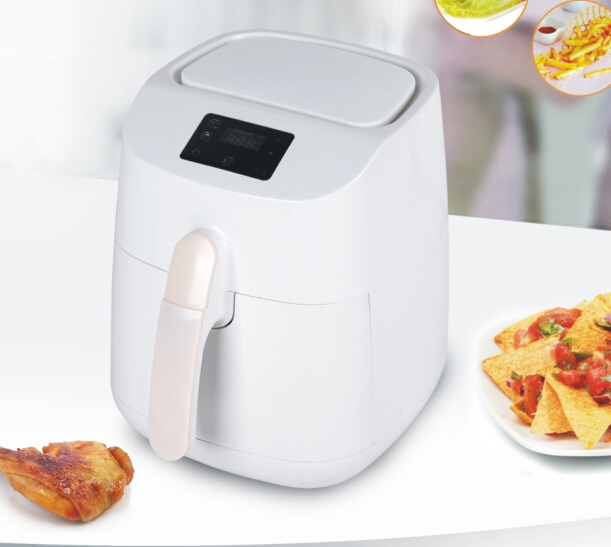
- User Interface: Mechanical dials are the cheapest. Capacitive touch screens with LED displays add cost, and full TFT LCD screens for smart appliances drive the price up further.
- Tooling: Using an existing public mold (white-label) eliminates tooling costs. Opening a new private mold for a unique exterior design will require a significant upfront investment, though the factory may rebate this after you hit a specific cumulative order volume.
Managing tooling investments, negotiating MOQs, and coordinating international freight can strain internal resources. Let us streamline your appliance sourcing from factory floor to final delivery.
Get a free consultationFrequently Asked Questions
Sourcing air fryers at scale is an exercise in risk management. Success requires looking past the cosmetic exterior to dictate the quality of the internal components and enforcing strict quality control on the assembly line. By partnering with experienced sourcing professionals, you can secure reliable production, protect your brand's reputation, and maintain healthy margins.
Get Sourcing Help for Air Fryers
Tell us your requirements and our experts will connect you with verified manufacturers.