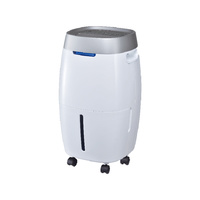
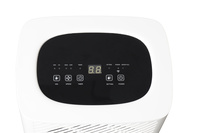
Air Dryers
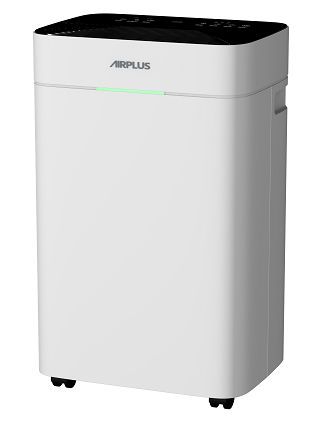
Source high-quality Air Dryers directly from vetted manufacturers and wholesale suppliers. Designed for importers, distributors, and brands seeking OEM/ODM production, our network offers reliable residential and commercial air drying solutions. Secure competitive pricing, certified quality, and reliable capacity for your bulk orders.
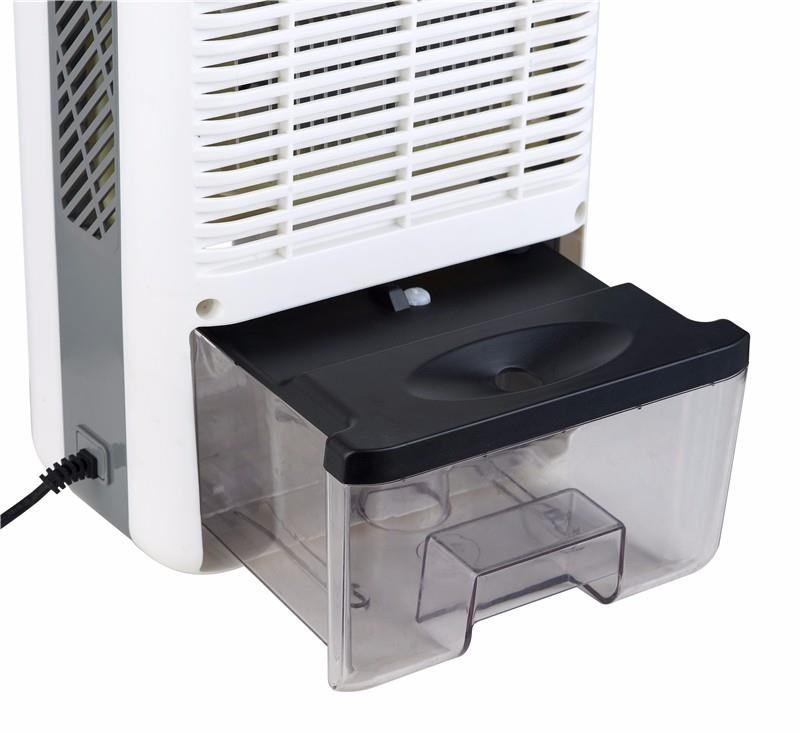
Sourcing household air dryers requires balancing moisture extraction efficiency with strict safety and energy standards. Whether you are importing compressor-based units for humid climates or desiccant models for low-temperature environments, the primary challenge lies in finding manufacturing partners capable of delivering consistent build quality, reliable PCB assemblies, and compliant refrigerant handling.
Securing a reliable supply chain means vetting factories not just on their assembly capabilities, but on their component sourcing—specifically their access to high-tier compressors, quality sensors, and durable fan motors.
Core Technologies: Compressor vs. Desiccant
When specifying air dryers for your target market, the choice between compressor (refrigerant) and desiccant technologies dictates the entire manufacturing process and component bill of materials (BOM).
| Technology | Ideal Environment | Extraction Mechanism | Noise Profile |
|---|---|---|---|
| Compressor-Based | High temperatures, high humidity | Refrigerant cycle (R290/R410a) | Moderate (45 to 55 dB) |
| Desiccant-Based | Low temperatures (under 15°C) | Zeolite rotor and heating element | Low (under 40 dB) |
Compressor models dominate the household market due to lower energy consumption at standard room temperatures. However, the shift toward eco-friendly refrigerants like R290 requires factories to have specialized, explosion-proof charging stations. If a supplier lacks these upgraded facilities, their production lines pose a significant safety and compliance risk.
Need help verifying a manufacturer's production capabilities and safety compliance? Get expert sourcing support.
Talk to our teamQuality Control and Compliance
Electrical appliances that run continuously, process moisture, and utilize heating elements or refrigerants carry significant liability. Ensuring your supplier meets international safety and environmental directives is non-negotiable.
Critical Factory and Product Checks
- Refrigerant Charging Accuracy: Verify automated weighing and charging systems for R290 to prevent under-performance or safety hazards.
- Electrical Safety Testing: Ensure 100% inline Hi-Pot (High Potential) and ground bond testing.
- Enthalpy Chamber Testing: Confirm the factory uses calibrated environmental chambers to verify stated extraction rates (Liters/Pints per day).
- PCB Reliability: Check that printed circuit boards are conformal coated to protect against the high-humidity environments they operate in.
- Regulatory Compliance: Validate CE/GS for Europe, UL/ETL for North America, and RoHS/REACH material compliance.
Defects in air dryers often manifest as micro-leaks in the evaporator coils, noisy fan bearings, or unresponsive humidity sensors. Implementing rigorous Quality Control & Inspection protocols, including pre-shipment performance testing, is vital to protect your brand's reputation and minimize return rates.
Customization and Smart Features
The consumer market is rapidly shifting toward connected appliances. If you are developing a private-label product, leveraging specialized OEM/ODM Services allows you to integrate modern features without building a product from scratch.
Key customization areas include:
- Smart Connectivity: Integration of Tuya or proprietary Wi-Fi modules for app control and voice assistant compatibility.
- Aesthetic Tooling: Custom injection-molded housing, premium finishes (matte, brushed textures), and custom LED display panels.
- Filtration Add-ons: Combining air drying with air purification by adding HEPA or active carbon filter slots.
Sourcing Mechanics: MOQs, Pricing, and Lead Times
Because air dryers are bulky appliances, minimum order quantities are heavily influenced by shipping container capacities. Most manufacturers optimize their production runs and pricing around 40HQ containers.
Pricing is highly sensitive to the cost of raw materials (copper for coils, plastic for housing) and the brand of the compressor used (e.g., GMCC, Panasonic, or generic alternatives). Always specify your required compressor tier in your initial RFQ to ensure accurate, comparable quotes.
Optimize your unit costs and container loading efficiency. Speak with our appliance sourcing specialists today.
Get a free consultationVerifying Supplier Capability
The Chinese manufacturing landscape for air dryers is concentrated in Guangdong and Zhejiang provinces. While many trading companies list air dryers, dealing directly with the factory is essential for technical troubleshooting and warranty support. Conducting thorough Factory Audits ensures your chosen supplier actually owns the injection molding machines, assembly lines, and testing chambers they claim to have.
Successfully sourcing air dryers requires more than just finding an attractive design; it demands deep visibility into the factory's component supply chain and quality assurance processes. Partnering with an experienced sourcing team ensures your specifications are met, risks are mitigated, and your shipments arrive compliant and ready for market.
Get Sourcing Help for Air Dryers
Tell us your requirements and our experts will connect you with verified manufacturers.