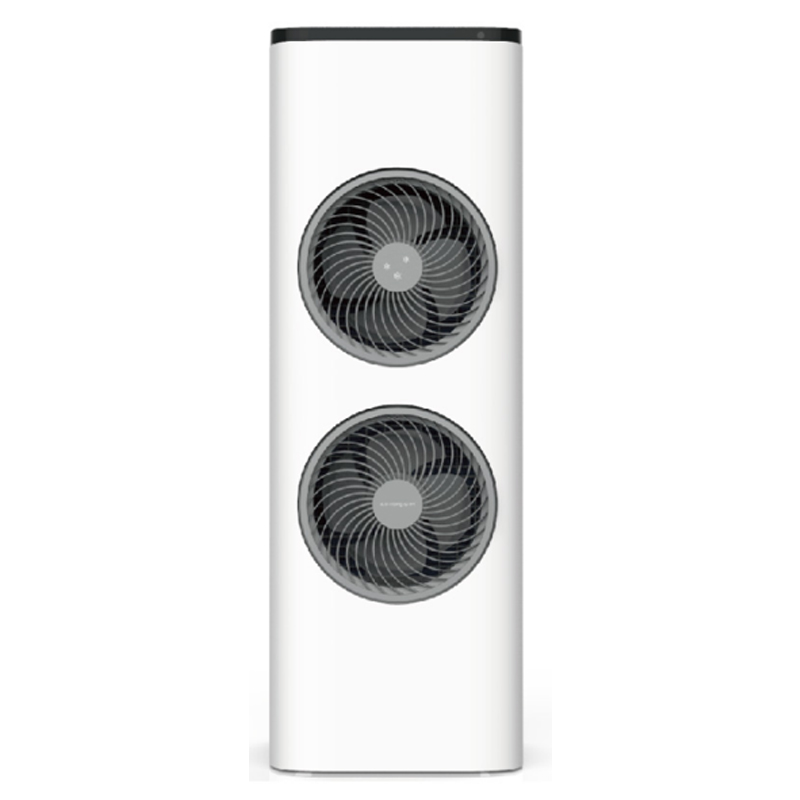
Air Coolers
Source high-quality Air Coolers from vetted suppliers and manufacturers across Asia. Designed for importers, wholesalers, distributors, and appliance brands seeking reliable wholesale purchasing or custom OEM/ODM production. Partner with top factories to secure competitive bulk pricing and consistent product quality.
Evaporative air coolers represent a high-turnover, highly seasonal appliance category. For volume buyers, the sourcing challenge lies in balancing aggressive retail price points with acceptable product longevity. Because these units combine water, electricity, and moving parts, minor compromises in manufacturing can lead to catastrophic return rates. Successfully importing air coolers requires strict control over component specifications, housing materials, and electrical safety standards.
Critical Component Specifications
When negotiating with air cooler manufacturers, accepting an "off-the-shelf" specification sheet is risky. Factories frequently substitute internal components to hit target prices. You must explicitly define the following elements in your purchase agreement.
Motor Quality and Winding
The fan motor is the most expensive component and the most common failure point. Factories often offer Copper-Clad Aluminum (CCA) windings to reduce costs, but these run hotter and have a significantly shorter lifespan than 100% copper motors.
| Specification | 100% Copper Motor | CCA (Aluminum) Motor |
|---|---|---|
| Thermal Tolerance | Excellent (Runs cooler) | Poor (Prone to overheating) |
| Lifespan | 5 to 10 years | 1 to 3 years |
| Cost Impact | Premium | Budget |
| Best Application | Commercial / Premium Home | Entry-level / Promotional |
Cooling Pads and Airflow
Cooling efficiency is dictated by the surface area of the cooling pad and the fan type. Ensure your supplier uses high-density honeycomb cellulose pads (commonly specified as 5090 or 7090 grade) rather than inferior wood wool, which degrades rapidly and emits odors. Additionally, specify whether the unit uses an axial fan (high volume, noisier, standard for outdoor/industrial) or a centrifugal blower (directed airflow, quieter, ideal for indoor residential use).
Struggling to verify factory specifications? Let us negotiate the technical details and secure reliable components for your next order.
Talk to our sourcing expertsManufacturing Traps and Quality Control
The primary production hubs for air coolers are located in Guangdong (Shunde, Foshan) and Zhejiang (Cixi, Ningbo). While these regions offer immense manufacturing capacity, quality varies wildly. Proper Factory Audits are essential to verify that a supplier actually winds their own motors or molds their own plastics, rather than just assembling cheap outsourced parts.
Common Factory Workarounds to Watch For
- Recycled Plastics: To cut costs on the housing, factories may mix high percentages of recycled Polypropylene (PP) or ABS. This makes the casing brittle and prone to cracking during transit or under UV exposure (for outdoor models). Specify 100% virgin PP/ABS for premium models.
- Water Pump Failures: Submersible water pumps are often the first component to fail if the user runs the cooler dry. Specify pumps with automatic dry-run protection.
- Flimsy Casters: A cooler filled with 40 liters of water is heavy. Standard cheap plastic casters will snap under the weight on uneven floors. Specify heavy-duty, reinforced polyurethane wheels.
Implementing rigorous Quality Control & Inspection before shipment is non-negotiable.
Pre-Shipment Inspection Requirements
- Hi-Pot (High Potential) electrical safety testing on 100% of units.
- 24-hour continuous water circulation test to check for tank or hose leaks.
- Anemometer testing to verify claimed CFM (Cubic Feet per Minute) or m³/h airflow.
- Incline drop testing on packaged units to ensure housing and caster durability.
Customization and Private Labeling
For brands looking to differentiate, air coolers offer excellent margins through OEM/ODM Services. Simple OEM customizations include bespoke housing colors, branded control panels, and localized packaging. If you are developing an ODM product, focus your tooling budget on a unique, modern fascia and upgraded digital displays (LED/touch controls with remote functionality), while utilizing the factory's existing internal chassis to save on injection molding costs.
Ensure that any customized units still undergo proper Compliance & Testing to meet destination market regulations, such as CE, CB, RoHS for Europe, or ETL/UL for North America.
Pricing, MOQs, and Lead Times
Air cooler economics are heavily dependent on container optimization. Because these products are bulky, shipping "dead air" destroys your landed margins.
The Seasonality Factor
The most critical mistake importers make with air coolers is timing. The Northern Hemisphere buying season dictates factory schedules. Factories are overwhelmed with orders from December through April. To secure the best pricing and guarantee on-time delivery for summer retail, volume orders should be negotiated and placed between September and November.
Need help planning your seasonal supply chain? We manage production schedules, quality control, and freight to ensure your coolers arrive before the summer heat hits.
Get a free consultationFrequently Asked Questions
Sourcing air coolers profitably requires looking past the glossy exterior to mandate high-quality motors, durable plastics, and safe electrical components. By establishing strict specifications early and enforcing them through independent inspections, you can protect your margins and your brand's reputation. If you need experienced boots on the ground to manage your appliance supply chain, our team is ready to assist.
Get Sourcing Help for Air Coolers
Tell us your requirements and our experts will connect you with verified manufacturers.