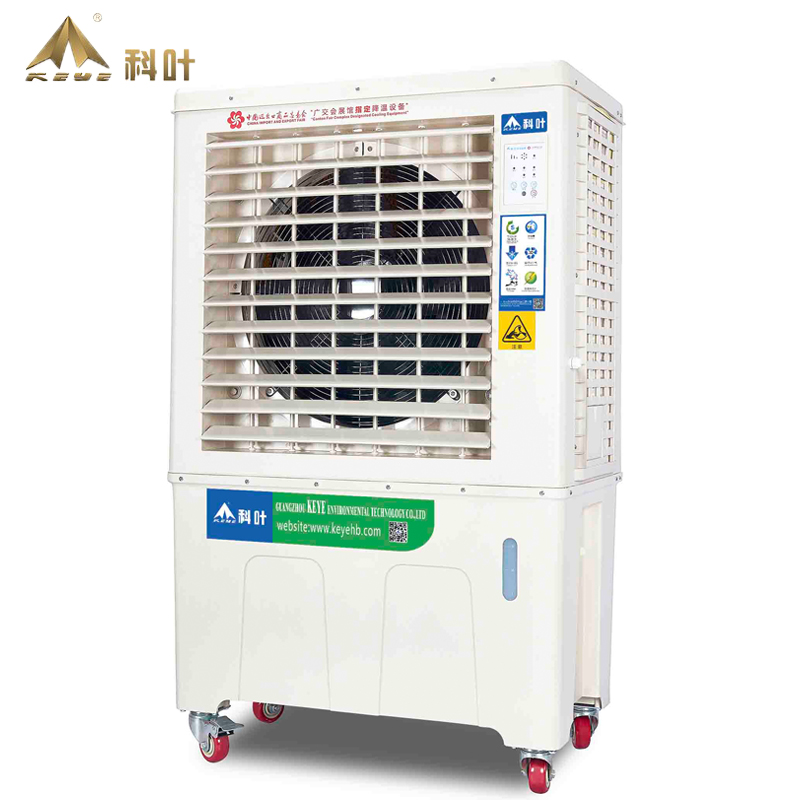
Air Conditioning
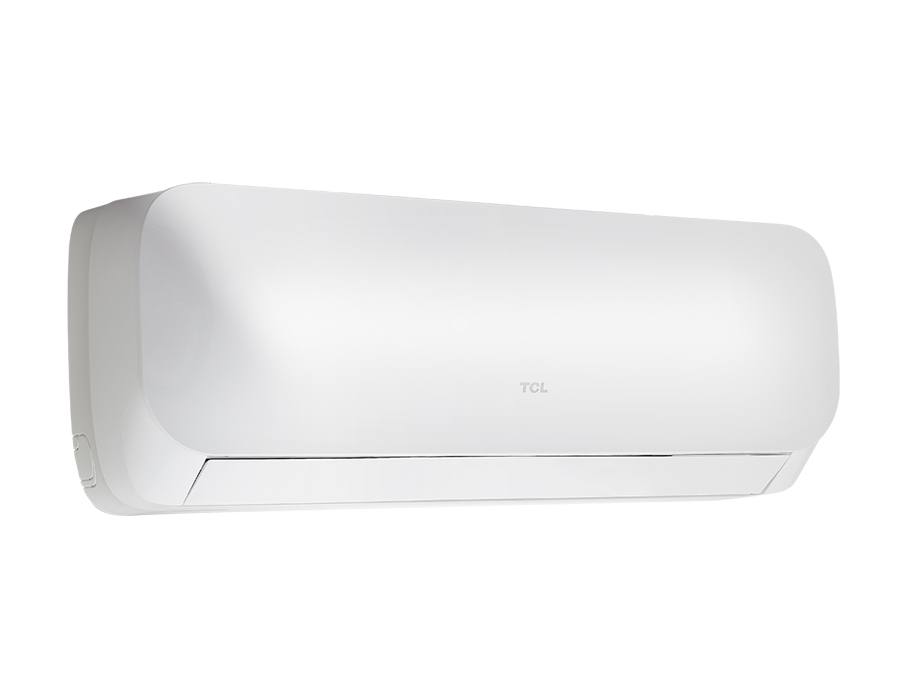
Source high-quality household air conditioning units directly from vetted manufacturers and suppliers in China and across Asia. Designed for importers, regional HVAC distributors, and brands seeking reliable OEM and private-label production, our network delivers scalable manufacturing with stringent quality control.
Sourcing household air conditioners in volume requires balancing energy efficiency mandates, shifting refrigerant regulations, and cost-effective manufacturing. The primary challenge is not simply finding a factory with assembly capacity; it is verifying that their supply chain for critical components—specifically compressors, PCBs, and heat exchangers—is stable, and that their testing protocols can consistently meet your target market's strict compliance standards.
Defining Your Core Specifications
When approaching a manufacturer, vague specifications lead to inconsistent quotes. Factories will default to the cheapest internal components unless explicitly instructed otherwise. To establish a reliable baseline for OEM/ODM Services, you must dictate the technical parameters that drive both performance and unit cost.
| Specification | Standard / Entry-Level | Premium / High-Efficiency |
|---|---|---|
| Compressor Technology | Fixed-speed rotary | DC Inverter (Variable speed) |
| Refrigerant | R410A (Phasing out in many regions) | R32 (Lower GWP, higher efficiency) |
| Condenser Coils | Aluminum with standard coating | 100% Copper with Golden/Blue Fin anti-corrosion |
| Smart Connectivity | None / Basic IR remote | Integrated Wi-Fi / IoT module (Tuya/SmartLife) |
The compressor is the heart of the unit. While many assembly factories exist, the global compressor market is highly consolidated. Ensure your supplier has direct, authorized procurement channels with major compressor brands (such as GMCC, Gree, or Panasonic) to avoid counterfeit or B-grade components.
Navigating regional energy standards and refrigerant phase-outs? Let us help you align your AC specifications with the right tier of manufacturer.
Talk to our teamManufacturing Vulnerabilities and Quality Control
Air conditioner manufacturing is heavily reliant on manual brazing and assembly, making it susceptible to human error. A rigorous Quality Control & Inspection protocol is non-negotiable, particularly for identifying refrigerant leaks and electrical faults before the units are containerized.
Critical Factory-Floor QC Checkpoints
- Helium or Halogen leak detection on all brazed copper joints.
- High-pot (dielectric withstand) testing for electrical safety and grounding.
- Performance testing in enthalpy testing rooms (verifying cooling/heating capacity against stated BTUs).
- Vibration and drop testing for packaging durability (crucial for heavy outdoor units).
Before committing to a large order, comprehensive Factory Audits are recommended to verify the facility's testing infrastructure. A factory without an in-house enthalpy testing lab or automated leak-detection lines will struggle to maintain consistency across a high-volume run.
Regulatory Compliance and Certification
Air conditioning units are highly regulated appliances. You cannot import them without proof of compliance with local electrical safety and energy efficiency standards (MEPS).
- North America: Requires UL or ETL certification for safety, and DOE/AHRI compliance for energy efficiency (SEER2 ratings).
- Europe: Demands CE (LVD/EMC), RoHS, and adherence to strict ErP (Energy-related Products) directives for seasonal efficiency (SEER/SCOP).
- Middle East: Requires specific climatic testing (T3 climate class for high ambient temperatures) and regional certifications like SASO or ESMA.
Leveraging professional Compliance & Testing services ensures your units pass these regulatory hurdles without costly customs delays or market recalls.
Pricing, MOQs, and Lead Time Realities
The AC manufacturing cycle is highly seasonal. Peak production runs from December to April as factories prepare for Northern Hemisphere summer demand. Ordering during this window significantly extends lead times and reduces your negotiation leverage.
Pricing is highly volatile and tied directly to the global commodities market, specifically copper and aluminum. When comparing quotes, ensure the validity period of the price is clearly stated, as factories will adjust pricing if raw material costs spike.
Need to lock in production capacity before the peak season rush? We can help negotiate terms and secure your manufacturing schedule.
Get a free consultationFrequently Asked Questions
Successful air conditioner sourcing ultimately comes down to component transparency and rigorous testing verification. By defining your technical requirements down to the copper thickness and compressor model, and backing those requirements with strict inline inspections, you can build a highly profitable and reliable HVAC supply chain.
Get Sourcing Help for Air Conditioning
Tell us your requirements and our experts will connect you with verified manufacturers.