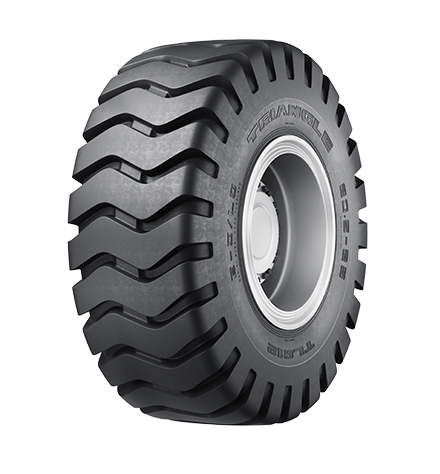
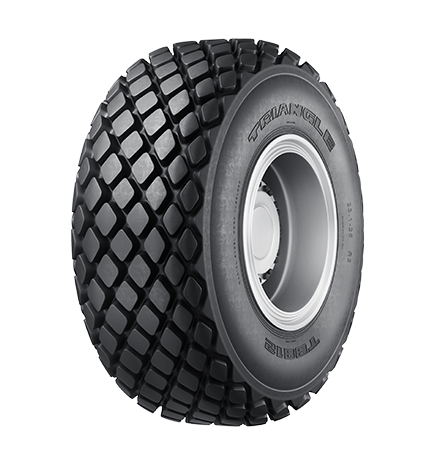
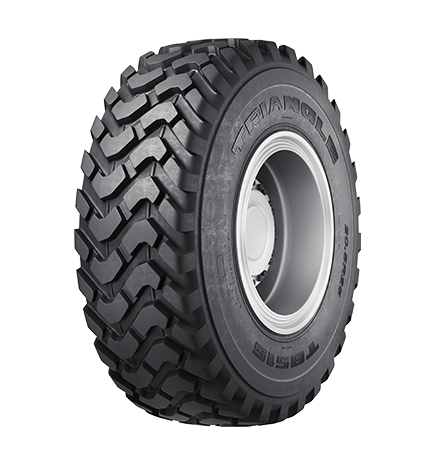
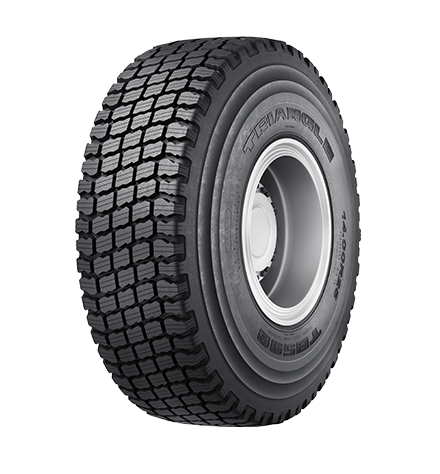
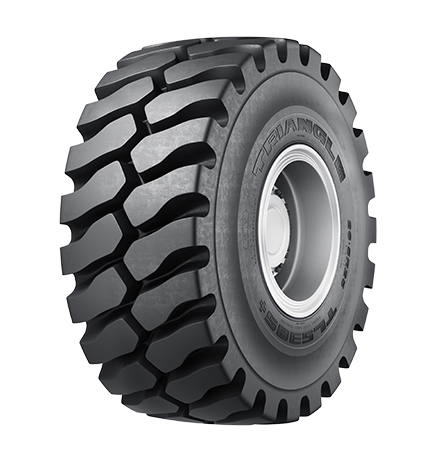
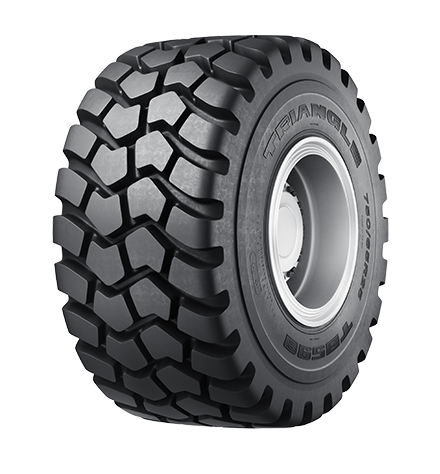
Agricultural Tractor Tires
Source high-performance agricultural tractor tires in bulk from vetted manufacturers and suppliers. Designed for importers, wholesalers, distributors, and brands seeking reliable OEM production, our network delivers durable traction solutions engineered for demanding field conditions and heavy load requirements.
Sourcing agricultural tractor tires in commercial volumes requires balancing unit cost against the absolute necessity for field reliability. A failure during planting or harvest season is catastrophic for end-users, meaning your supply chain must deliver consistent rubber compounding, precise curing, and robust casing architecture across every container.
Whether you are supplying aftermarket replacement channels or outfitting agricultural machinery, securing a reliable factory partner is critical to maintaining brand reputation and minimizing warranty claims.
Core Specifications and Tread Classifications
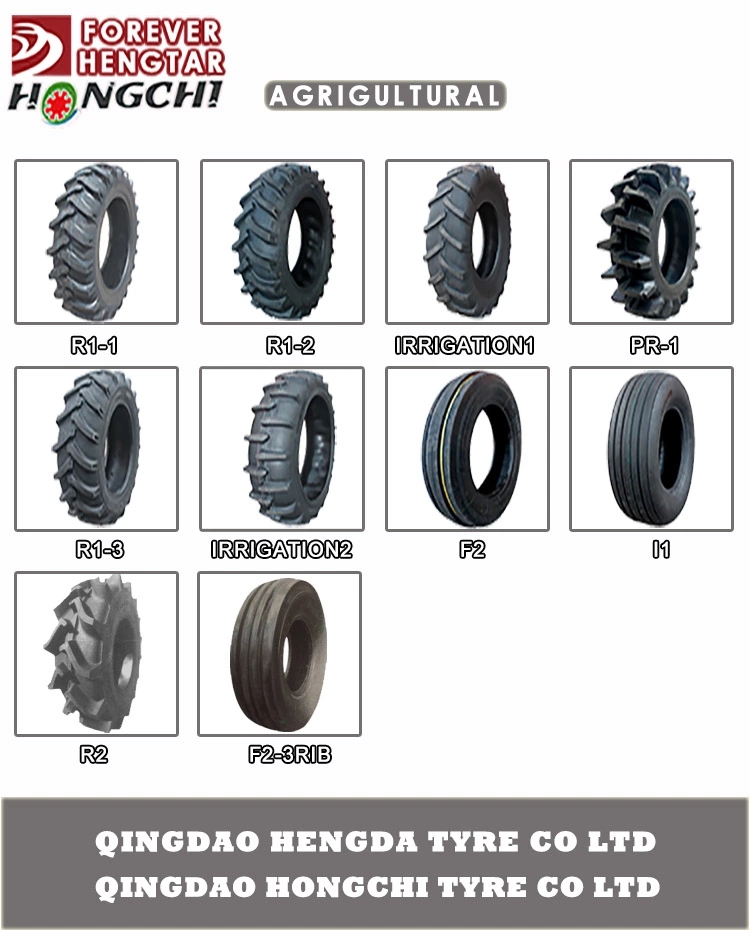
Agricultural tires are highly specialized, with tread patterns and casing constructions dictated by soil types, moisture levels, and load requirements. Specifying the wrong tread depth or ply rating for your target market will result in poor traction, rapid wear, or sidewall failure.
| Industry Code | Tread Description | Primary Application |
|---|---|---|
| R-1 | Standard lug depth | General dry farming and standard soil conditions. |
| R-1W | 20 percent deeper than R-1 | Wet soils and heavy clay requiring self-cleaning. |
| R-2 | Deepest lug (cane/rice) | Flooded fields, rice paddies, and extreme mud. |
| R-3 | Shallow, non-directional | Turf, orchards, and sandy soils (minimal soil disruption). |
| R-4 | Industrial/Construction | Hard-surface transport and light industrial tractor use. |
Beyond the tread pattern, buyers must choose between bias-ply and radial construction. Bias tires remain popular in developing markets and for smaller utility tractors due to their lower price point and stiff, puncture-resistant sidewalls. Radial tires, while more expensive to manufacture, offer a larger footprint, reduced soil compaction, and better fuel economy for high-horsepower tractors.
Need to match specific tread patterns and load indexes for your local market? Let our sourcing engineers help you find the right factory capabilities.
Discuss Your Tire SpecsManufacturing Quality and Defect Prevention
The durability of an agricultural tire is won or lost in the mixing and curing stages. Inconsistent natural-to-synthetic rubber ratios or improper vulcanization temperatures lead to tread chunking, ply separation, or premature cracking under UV exposure.
When evaluating a manufacturer, you must look past the spec sheet and examine their production controls. Relying on comprehensive Quality Control & Inspection is non-negotiable before a container is sealed.
Critical Factory-Level Quality Checks
- Compound Testing: Verification of carbon black dispersion and ozone resistance additives.
- Curing Time and Temperature: Ensuring thick agricultural lugs are fully vulcanized without over-curing the casing.
- Bead Wire Integrity: X-ray or destructive testing to confirm the bead bundle is properly seated and wrapped.
- Concentricity and Runout: Checking for uniformity to prevent severe vibration during road transport.
- Weight Tolerance: Monitoring unit weight to detect unauthorized reductions in material usage.
The Risk of Recycled Rubber
Some lower-tier factories attempt to cut costs by introducing high percentages of reclaimed rubber into the compound. While acceptable in minor quantities for specific non-structural components, excessive use drastically reduces the tire's tear resistance and overall lifespan.
Sourcing Mechanics: MOQs, Pricing, and Lead Times
The agricultural tire supply chain is heavily influenced by the cost of raw materials—specifically natural rubber, synthetic polymers, and steel. Because these tires are bulky, logistics and container utilization also play a massive role in your landed cost.
If you are developing a private-label brand, you will need a factory that offers robust OEM/ODM Services. Developing proprietary tread patterns requires significant investment in steel molds. Ensure mold ownership terms are clearly defined in your manufacturing agreement before tooling begins.
Furthermore, because tire manufacturing requires heavy machinery and strict environmental compliance, conducting thorough Factory Audits is essential to verify that your supplier is an actual manufacturer and not a trading company adding hidden margins.
Ready to optimize your tire procurement? Speak with our team about factory vetting, price negotiation, and secure supply chain management.
Get a Sourcing ConsultationFrequently Asked Questions
Procuring agricultural tractor tires requires a deep understanding of rubber compounding, casing architecture, and international logistics. By partnering with vetted manufacturers and enforcing strict quality controls at the factory level, you can secure high-performance tires that protect your brand and deliver reliable traction season after season.
Get Sourcing Help for Agricultural Tractor Tires
Tell us your requirements and our experts will connect you with verified manufacturers.