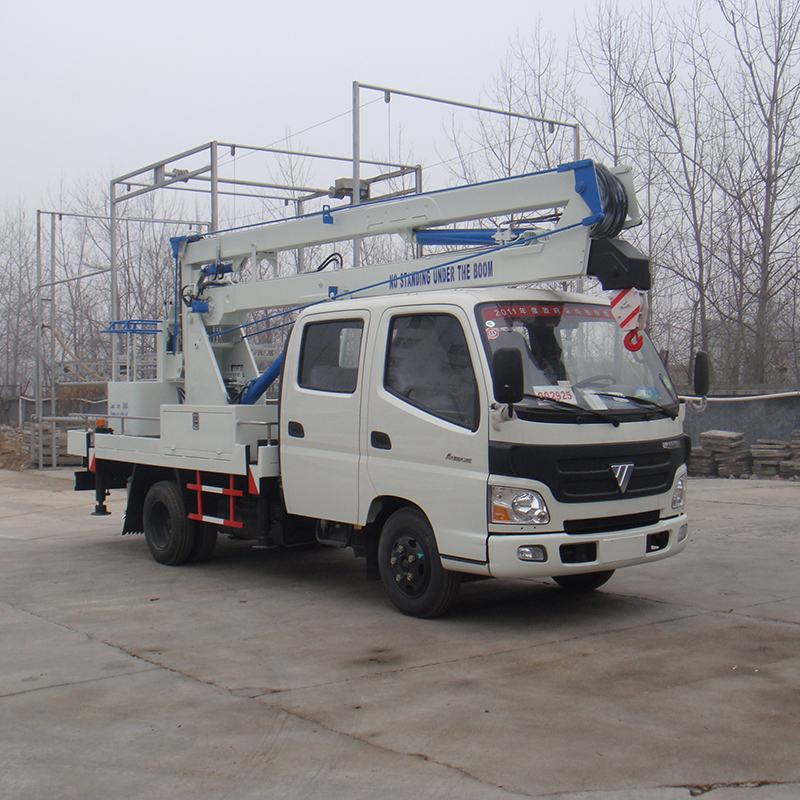
Aerial Work Trucks
Source commercial-grade Aerial Work Trucks from vetted suppliers and manufacturers. Designed for fleet procurement managers, heavy equipment distributors, and municipal wholesalers, our catalog connects you directly with specialized factories producing reliable, compliant bucket trucks and boom lifts at scale.
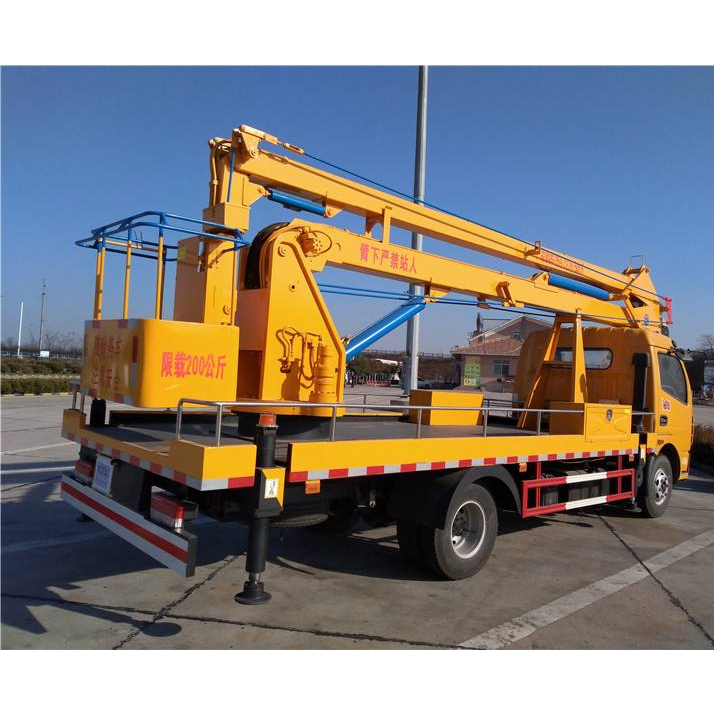
Sourcing aerial work trucks requires balancing complex hydraulic engineering with strict road-going vehicle regulations. The core challenge in importing these vehicles in volume is ensuring seamless integration between the commercial chassis and the aerial work platform (AWP). A failure in power take-off (PTO) integration, hydraulic valving, or structural welding doesn't just result in downtime—it creates severe safety and liability risks.
Successfully procuring these units from specialized manufacturing hubs in China (such as Suizhou, often considered the capital of special-purpose vehicles) demands rigorous technical oversight, from initial chassis selection through to final load testing.
Critical Specifications & Chassis Integration
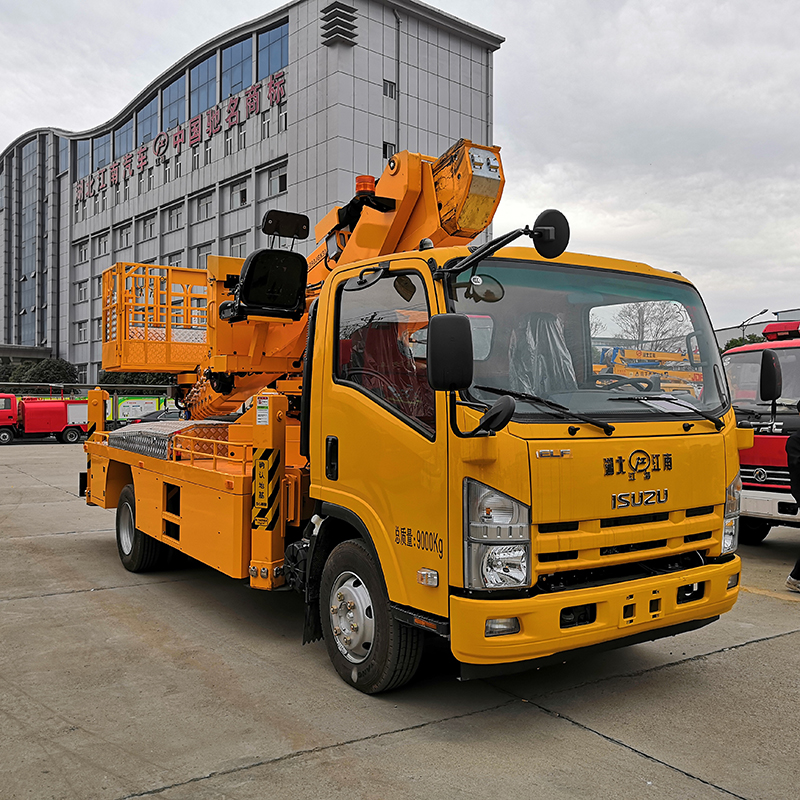
When specifying an aerial work truck for bulk procurement, the upper structure (the boom and bucket) must be perfectly matched to the Gross Vehicle Weight Rating (GVWR) and wheelbase of the chassis. Buyers typically specify the upper structure and either supply their own chassis or have the manufacturer source a compliant commercial chassis (e.g., Isuzu, Dongfeng, Sinotruk) that meets the destination market's emission standards (such as Euro V, Euro VI, or EPA standards).
Hydraulic and Electrical Control Systems
The reliability of an aerial work truck is dictated by its hydraulic components and control systems. Standard configurations use gear pumps, but for smoother, multi-function operation, premium builds utilize variable displacement piston pumps and electro-proportional valves.
Control systems should utilize CAN bus architecture, allowing for precise operation from both the ground station and the platform basket. Dual-control systems with emergency manual overrides are non-negotiable for operator safety.
Need expert support matching boom specifications to compliant chassis for your target market?
Talk to our teamManufacturing Quality and Structural Integrity
The structural integrity of the boom determines the lifespan and safety of the truck. High-quality manufacturers use high-tensile steel (such as Q700 or Q960) for the boom sections to reduce weight while maximizing reach and payload.
Where quality is often lost on the factory floor is in the welding process. Inconsistent manual welding on structural joints can lead to micro-fractures under dynamic loading. Conducting thorough Factory Audits before placing an order is crucial to verify that the supplier utilizes robotic welding for critical boom seams and has in-house non-destructive testing (NDT) capabilities, such as ultrasonic or X-ray inspection.
Outrigger Interlock Systems
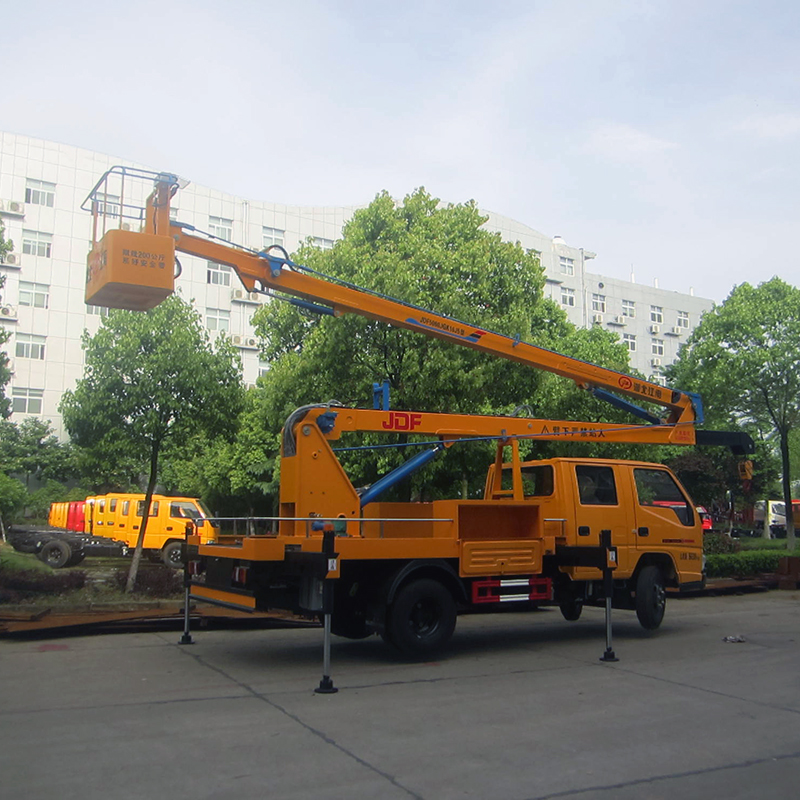
Always specify outrigger-boom interlock systems. The control system must prevent boom operation unless all outriggers are fully deployed and bearing weight, and prevent outrigger retraction while the boom is elevated.
Factory-Level Quality Control
A rigorous Quality Control & Inspection protocol is mandatory before any vehicle leaves the factory.
Essential Pre-Shipment Inspection Points
- Dynamic Load Testing: Operating the boom at 110% to 125% of rated capacity to test hydraulic holding valves.
- NDT on Welds: Ultrasonic testing on boom joints and slewing ring mounts.
- PTO Engagement: Verifying smooth power transfer from the chassis engine to the hydraulic pump at various RPMs.
- Safety Interlocks: Testing emergency stop buttons, emergency descent valves, and outrigger sensors.
- Hydraulic Pressure Tests: Checking for pressure drops or leaks in cylinders and hoses over a 24-hour hold period.
Compliance and Safety Standards
Aerial work trucks are heavily regulated. Depending on your market, the equipment must comply with specific standards governing design, calculations, and testing.
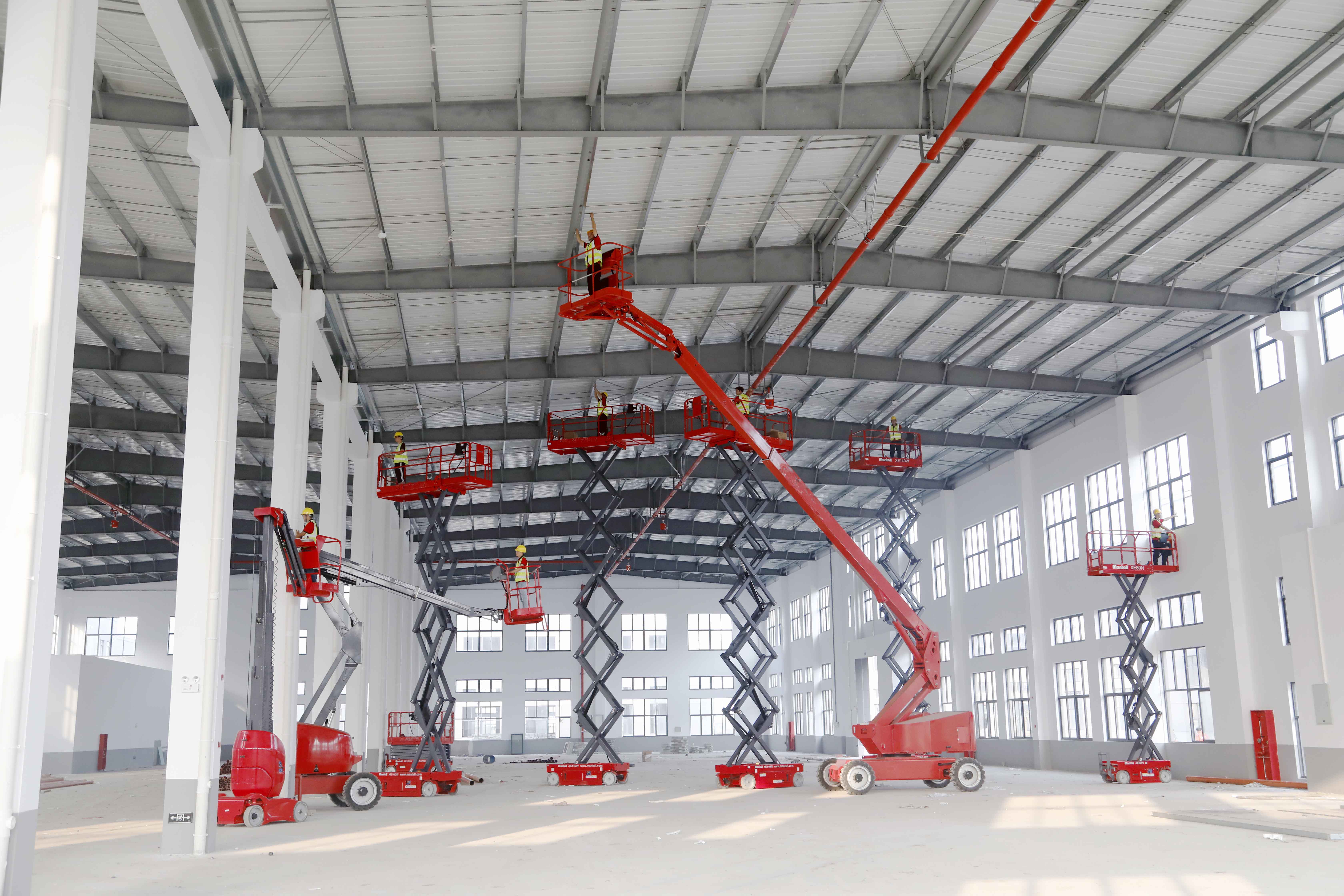
- Europe: CE marking under the Machinery Directive, specifically complying with EN 280 (Mobile elevating work platforms).
- North America: ANSI A92.2 (Vehicle-Mounted Elevating and Rotating Aerial Devices) and CSA C225.
Ensuring the factory holds valid, verifiable certifications for these standards is critical. Engaging a partner for Compliance & Testing helps verify that the specific model being manufactured genuinely meets local regulatory requirements, rather than relying on generic factory claims.
Buying Mechanics: MOQs, Pricing, and Logistics
The procurement dynamics for special-purpose vehicles differ significantly from standard industrial goods.
- MOQ: Minimum Order Quantities are typically very low, often starting at 1 to 2 units per order, making it accessible for fleet upgrades or distributor sampling.
- Lead Times: Standard lead times range from 45 to 60 days for standard configurations. If a specific imported chassis is required, lead times can extend to 90 days or more due to chassis procurement delays.
- Pricing Drivers: The cost is heavily influenced by three factors: the chassis brand and emission standard, the maximum working height, and the origin of the hydraulic components (imported European/Japanese valves and pumps carry a significant premium over domestic Chinese equivalents).
Looking for accurate pricing, lead times, and shipping logistics for your next fleet procurement?
Get a free consultationShipping Complexities
Due to their size and weight, aerial work trucks cannot typically be shipped in standard containers. They require Roll-on/Roll-off (RoRo) vessels or Flat Rack containers. RoRo is generally the safest and most cost-effective method for fully assembled, drivable vehicles. Coordinating this requires specialized Shipping & Freight expertise to handle port handling, customs clearance, and inland transport of oversized vehicles.
Frequently Asked Questions
Procuring aerial work trucks requires a deep understanding of hydraulic engineering, vehicle integration, and international safety compliance. By focusing on structural integrity, specifying the right hydraulic components, and rigorously auditing the assembly process, buyers can secure highly reliable fleet assets at highly competitive price points.
Get Sourcing Help for Aerial Work Trucks
Tell us your requirements and our experts will connect you with verified manufacturers.