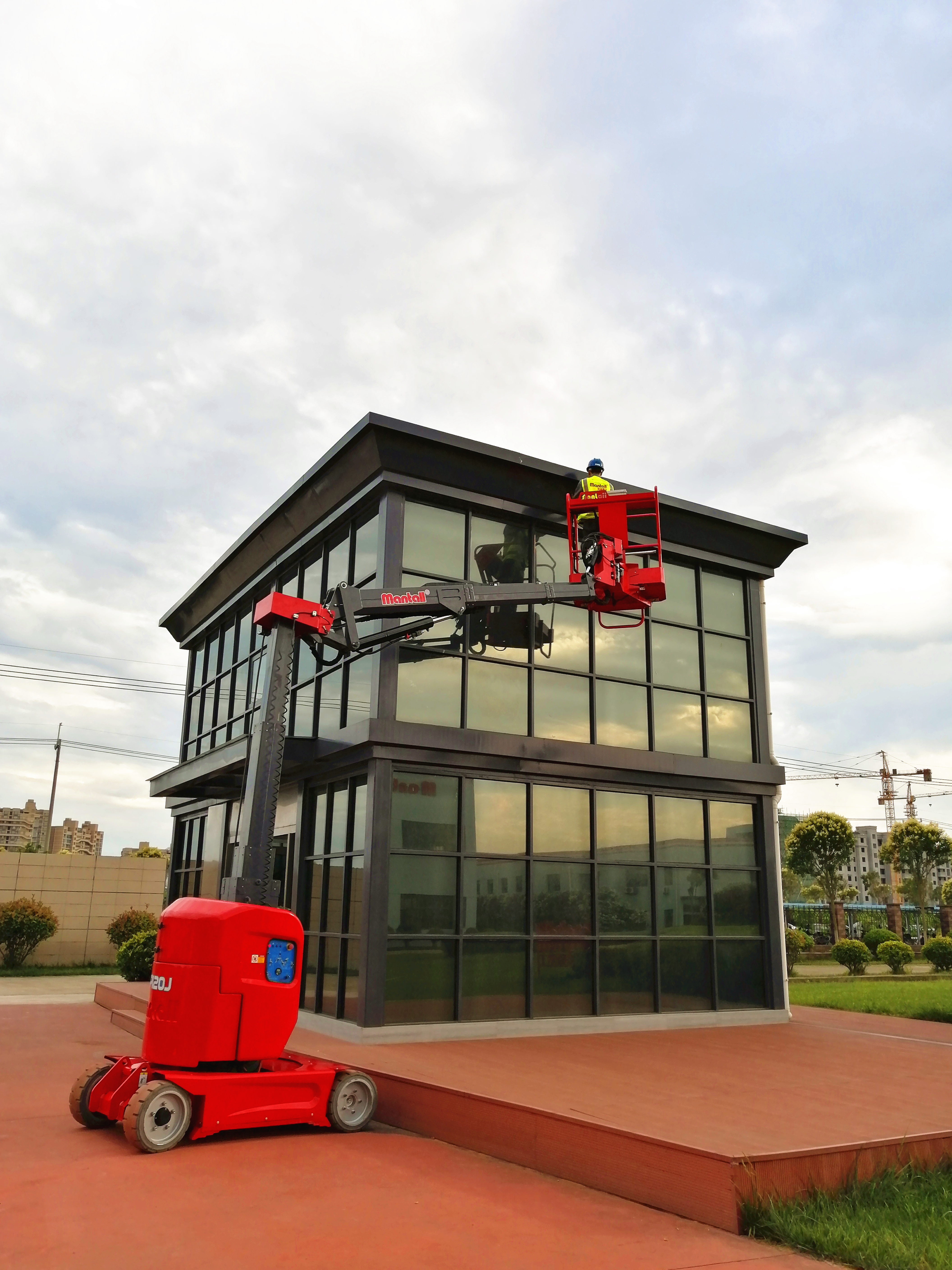
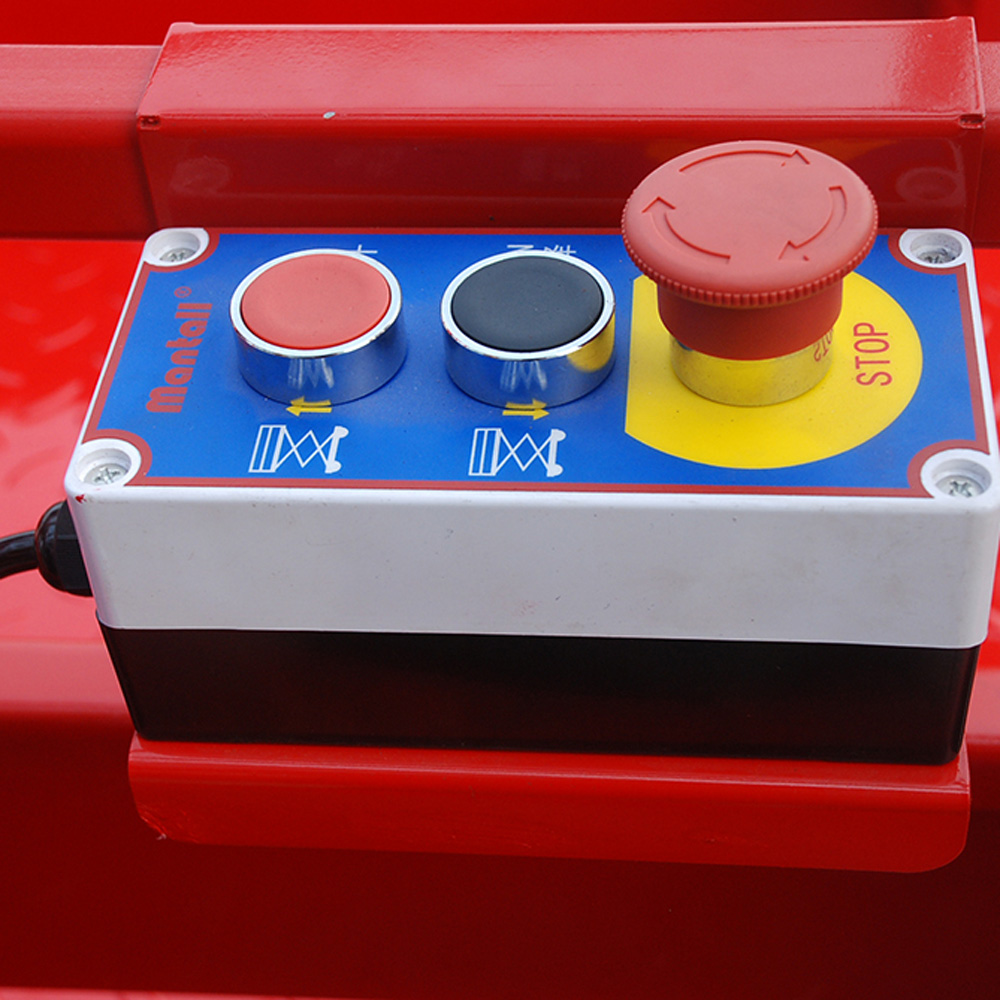
Aerial Work Platforms
Source commercial-grade Aerial Work Platforms from vetted manufacturers and wholesale suppliers across Asia. Designed for heavy equipment distributors, rental fleet operators, and importers buying in bulk, our network offers rigorous quality assurance and OEM production capabilities to meet strict international safety standards.
Sourcing aerial work platforms at scale requires balancing unit cost with non-negotiable safety standards. Whether you are importing for a heavy equipment rental fleet or a regional distribution network, the core sourcing challenge lies in verifying a factory's capability to consistently execute flawless structural welds, integrate reliable hydraulic systems, and maintain strict compliance with international safety directives.
Key Specifications to Define with Manufacturers
When negotiating with AWP manufacturers, precision in your specification sheet prevents costly misunderstandings on the factory floor. Chinese manufacturers offer immense flexibility, but you must clearly define the technical parameters to ensure the final product meets your market's demands.
- Platform vs. Working Height: Always specify both. Working height is typically calculated as platform height plus 2 meters. Misalignments here lead to under-specced equipment.
- Safe Working Load (SWL): Clearly state the required capacity (e.g., 230 kg standard vs. 450 kg heavy-duty) and whether the platform must support multiple operators plus tooling.
- Control Systems: Specify the origin of the electronic control units (ECUs) and proportional joysticks. Many buyers mandate specific imported brands (like Danfoss or Curtis) for the control modules to ensure long-term reliability and easier local servicing.
- Hydraulic Components: The pump, motor, and cylinder seals are the lifeblood of an AWP. Specify the exact requirements for burst valves and emergency descent systems.
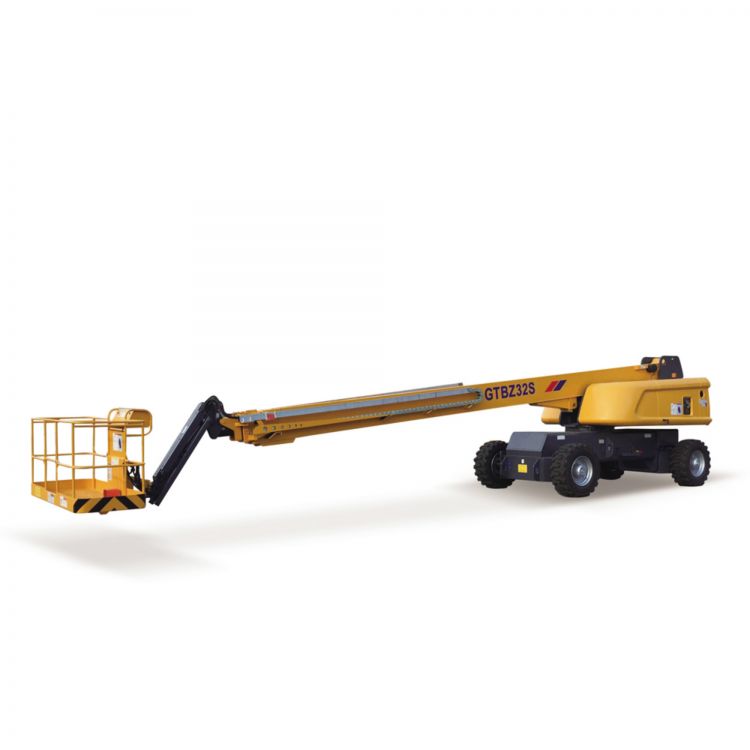
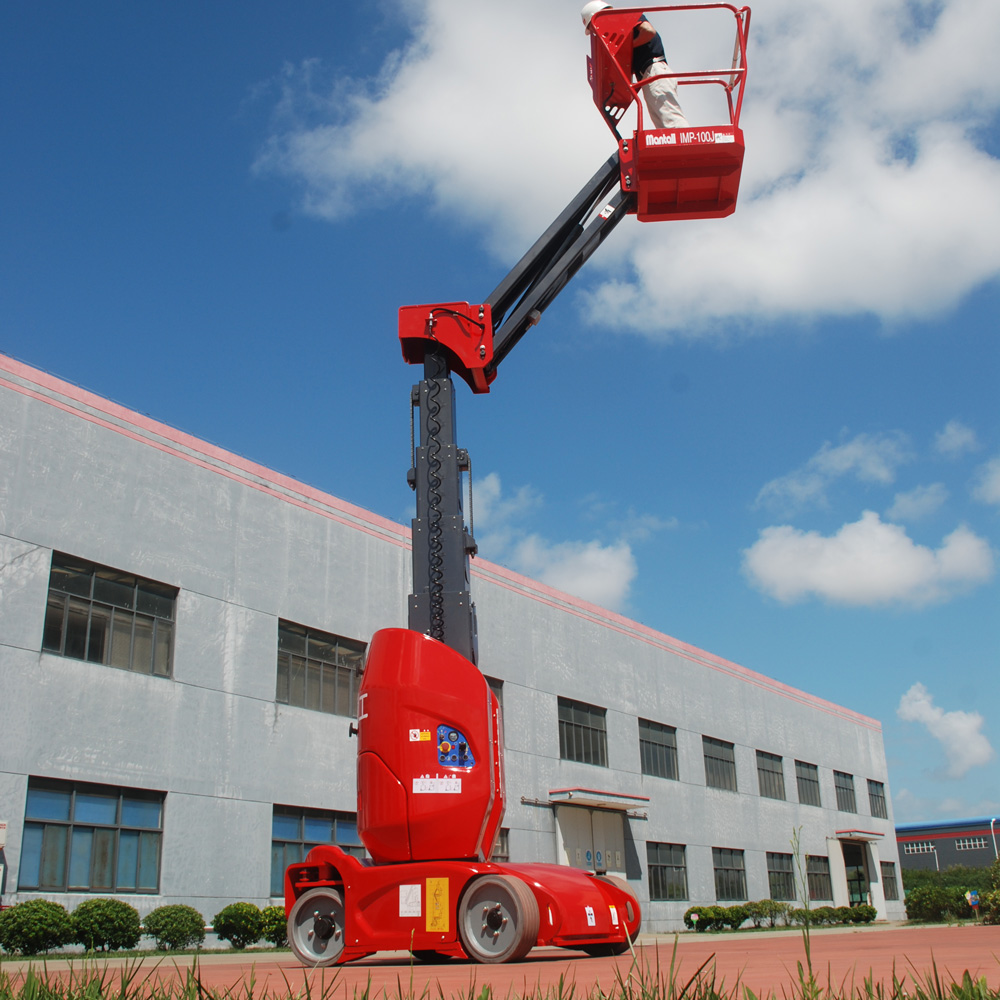
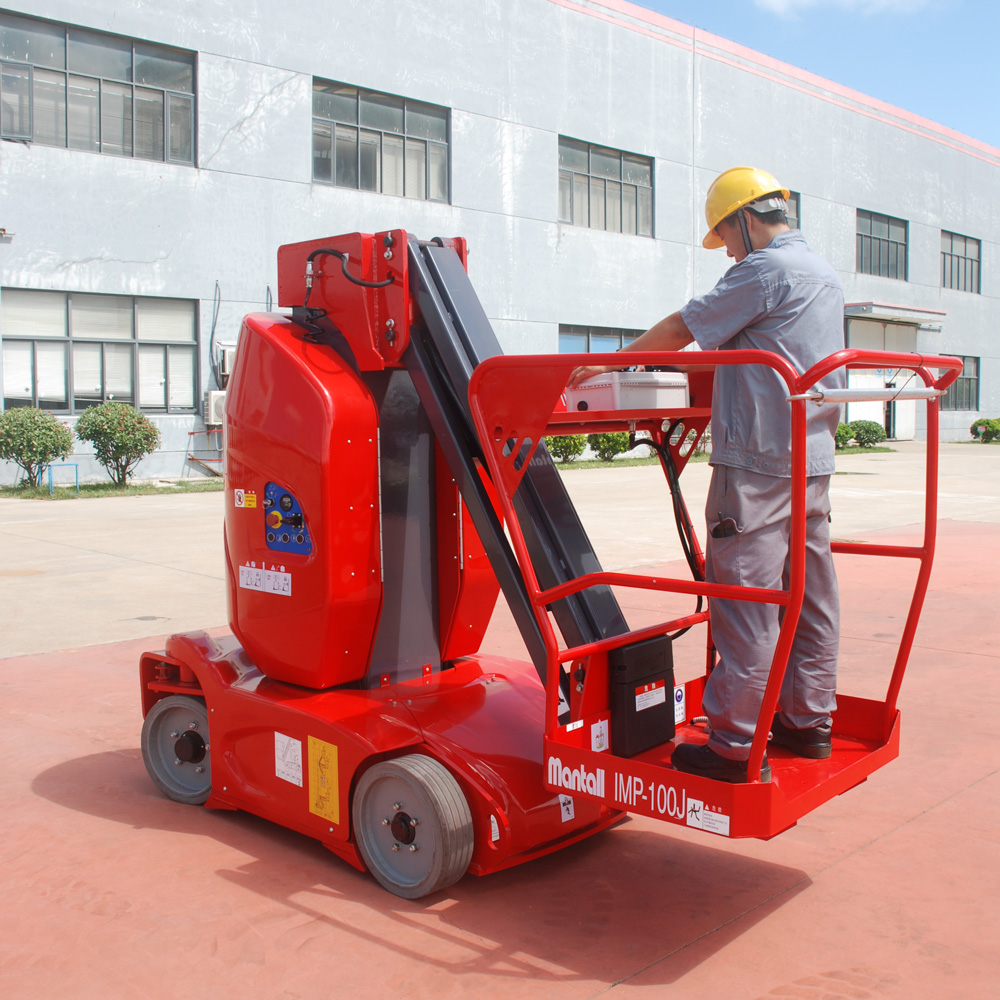
| Specification | Electric (Slab) Models | Diesel (Rough Terrain) Models |
|---|---|---|
| Primary Application | Indoor, flat concrete surfaces | Outdoor, uneven construction sites |
| Drive System | Direct electric drive or hydraulic motor | 4WD hydraulic drive with oscillating axles |
| Gradeability | Typically up to 25 percent | Up to 40 to 50 percent |
| Maintenance Focus | Battery health (AGM/Lithium), contactors | Engine servicing, heavy hydraulic filtration |
Ensure your AWP suppliers meet strict international safety and manufacturing standards.
Talk to our teamManufacturing Quality and Compliance
Aerial work platforms are heavily regulated life-safety devices. A manufacturer claiming to produce "CE-certified" equipment must be verified. European markets require adherence to EN 280 standards, while North American buyers must ensure compliance with ANSI A92.20. Relying solely on a supplier's provided PDF certificates is a significant risk.
Implementing robust Compliance & Testing protocols is essential. Before committing to a bulk order, you should conduct thorough Factory Audits to evaluate the supplier's raw material sourcing (specifically the grade of high-tensile steel used in boom and scissor arms) and their robotic welding capabilities. Manual welding on critical structural joints introduces unacceptable variability.
Critical Pre-Shipment Inspection Points
- Verify structural welds using non-destructive testing (NDT) where applicable.
- Test overload sensors and tilt alarms on a standardized incline.
- Cycle the lift to maximum height with full Safe Working Load to check for hydraulic drift.
- Inspect all hydraulic hose routings for potential pinch points or abrasion risks.
- Validate the emergency manual descent system under load.
Catching defects after the equipment has crossed the ocean is financially crippling. Incorporating professional Quality Control & Inspection directly at the factory ensures that every unit functions perfectly before it is loaded into a container.
MOQs, Lead Times, and Supply Chain Realities
Purchasing heavy machinery operates on different timelines and volume expectations compared to consumer goods. Production is capital-intensive, and factories rarely hold significant finished inventory.
Logistics for AWPs require careful planning. While smaller slab lifts can be efficiently packed into standard shipping containers, larger rough-terrain models may require specialized flat rack containers or Roll-on/Roll-off (RoRo) shipping. Coordinating these movements efficiently is where expert Shipping & Freight management significantly impacts your landed cost.
Optimize your heavy machinery supply chain from the factory floor to final delivery.
Get a free consultationFrequently Asked Questions
Successfully importing aerial work platforms is about minimizing the total cost of ownership, not just securing the lowest initial unit price. A rigorous approach to supplier vetting, component specification, and pre-shipment testing ensures that the equipment you import builds your reputation for reliability and safety in your local market.
Get Sourcing Help for Aerial Work Platforms
Tell us your requirements and our experts will connect you with verified manufacturers.