Advertising Lights
Source professional-grade advertising lights from vetted suppliers and manufacturers across Asia. Designed for commercial importers, electrical wholesalers, and brands requiring reliable OEM and private-label production, our network delivers high-performance lighting solutions built for scale, compliance, and long-term durability.
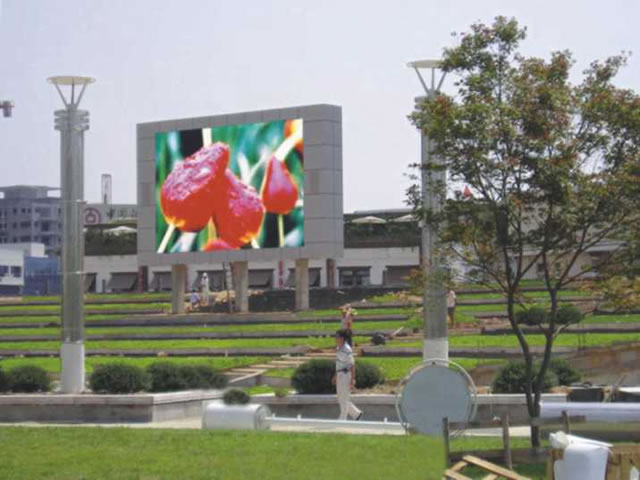
Sourcing advertising lights in volume requires balancing high-impact visibility with relentless operational reliability. Whether you are importing architectural facade lighting, commercial lightboxes, or programmable display modules, these units face continuous runtimes and harsh outdoor environments. Sourcing successfully means looking past the initial lumen output and scrutinizing the thermal management, component binning, and driver quality that dictate the product's actual lifespan.
Core Technical Specifications to Define
When negotiating with manufacturers, vague specifications lead to inconsistent batches. Professional buyers must define the exact bill of materials (BOM) to ensure the factory does not substitute inferior components to pad their margins.
- Luminous Efficacy & Binning: Specify the exact LED chip brand (e.g., Osram, Cree, Nichia, or high-tier San'an) and require tight color binning (typically within 3-step MacAdam ellipses) to prevent color shifting across large installations.
- Power Supply (Driver) Quality: The driver is the most common point of failure in advertising lighting. Mandate branded, fully potted drivers (like Mean Well or Inventronics) for outdoor applications to ensure stable voltage and protection against power surges.
- Thermal Management: High-output advertising lights generate significant heat. Specify housing materials, such as 6063 extruded aluminum, and verify the use of high-quality thermal paste between the PCB and the heat sink.
- Ingress Protection (IP Rating): For exterior signage and architectural lighting, IP65 is the absolute minimum, while IP67 or IP68 is required for ground-level or high-exposure installations.
| Component | Standard Commercial | Premium / Project Grade |
|---|---|---|
| LED Chip | Mid-tier domestic (San'an, Epistar) | Tier 1 (Osram, Cree, Nichia) |
| Driver / Power Supply | Generic potted IP65 | Mean Well / Inventronics IP67 |
| Housing Material | Die-cast aluminum / standard PC | Extruded 6063 Aluminum / Anti-UV Acrylic |
| Color Consistency | 5-step MacAdam | 3-step MacAdam (strict binning) |
Need to verify if a factory's technical capabilities match your project requirements? Let's discuss your sourcing strategy.
Talk to our teamManufacturing Tolerances and Quality Control
The factory floor is where a well-designed advertising light either succeeds or fails. Poor soldering, inadequate sealing, or rushed aging tests will result in high failure rates once the products are installed in the field.
Securing an independent Factory Audit prior to placing an order is essential to verify that the supplier actually owns the necessary testing equipment, such as integrating spheres and IP testing chambers, rather than outsourcing these critical steps.
Critical QC Checks for Advertising Lighting
- Integrating sphere testing to verify lumen output, CRI, and CCT consistency.
- Thermal imaging during operation to ensure even heat dissipation across the PCB.
- IPX5/IPX7 water ingress testing for all outdoor-rated enclosures and connectors.
- Mandatory aging tests (minimum 24 to 48 hours) to catch early driver or chip failures.
- Vibration testing for units intended for transport hubs or high-wind environments.
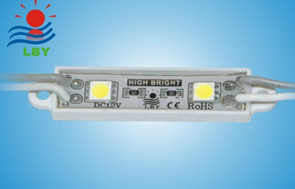
Implementing rigorous Quality Control & Inspection protocols before shipment is non-negotiable. Catching a poorly sealed batch of LED modules at the factory costs a fraction of what it costs to replace them on a client's building facade.
OEM/ODM Production and Customization
Many importers require custom form factors, specific beam angles, or proprietary control protocols (such as custom DMX profiles) for their advertising lights. Engaging in OEM/ODM Services allows you to develop proprietary extrusion profiles or custom-molded polycarbonate lenses.
When developing custom tooling, establish clear ownership of the molds and dies in your manufacturing agreement. Furthermore, ensure that any custom modifications do not invalidate required market certifications (like UL, ETL, CE, or RoHS). Partnering with experts for Compliance & Testing ensures your custom products can legally clear customs and be installed in your target market.
Pricing, MOQs, and Lead Times
Pricing for advertising lights fluctuates based on the cost of raw aluminum, copper (for wiring and PCBs), and the tier of the LED chips and drivers specified.
Keep in mind that while you can always find a cheaper supplier, the cost reduction usually comes from using thinner aluminum profiles, generic drivers, or poorly binned LEDs.
Struggling to negotiate realistic MOQs or verify pricing for custom lighting runs? We can help manage the process.
Get a free consultationFrequently Asked Questions
Professional lighting procurement is an exercise in risk mitigation. By strictly defining your BOM, insisting on rigorous pre-shipment aging and IP testing, and working with specialized manufacturing partners, you ensure your advertising lights perform flawlessly in the field.
Get Sourcing Help for Advertising Lights
Tell us your requirements and our experts will connect you with verified manufacturers.