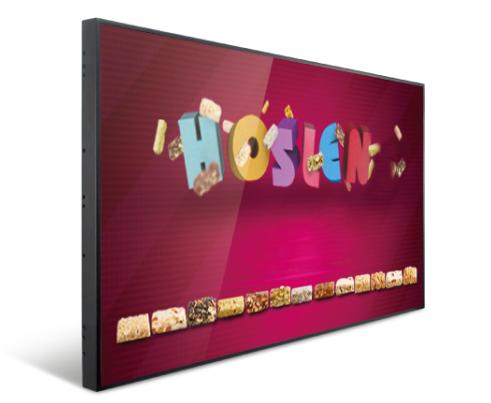
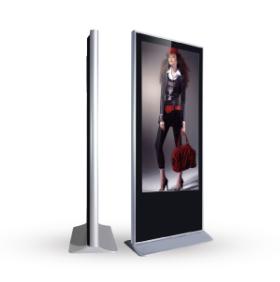
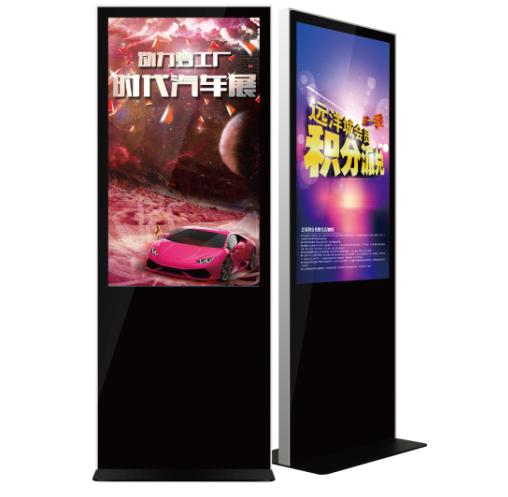
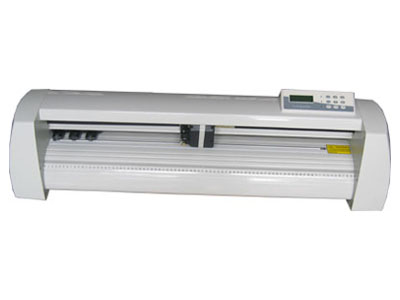
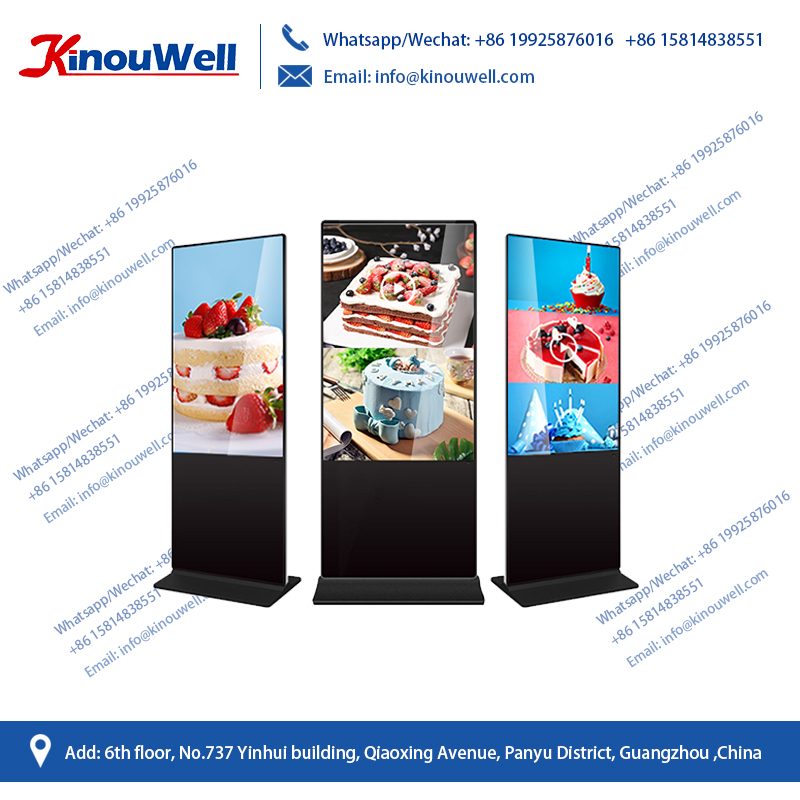
Advertising Display Equipment
Source high-quality advertising display equipment from vetted manufacturers and suppliers across Asia. Designed for importers, wholesalers, distributors, and brands requiring reliable OEM/ODM production, our bulk sourcing solutions ensure structural integrity, consistent quality, and competitive pricing for high-volume orders.
Sourcing advertising display equipment requires balancing portability, structural integrity, and aesthetic finish. Whether you are importing standardized modular systems or developing custom retail fixtures, the core challenge remains consistent: ensuring the hardware withstands repeated assembly, transport, and public environments without failing, all while keeping freight costs manageable.
Navigating the supplier landscape means differentiating between true manufacturers with in-house extrusion and finishing capabilities, and simple assembly workshops that outsource every component.
Critical Specifications & Material Standards
The longevity of any display system relies heavily on the quality of its raw materials. Buyers must specify exact tolerances and material grades in their purchase orders to prevent "spec fade" during production.
- Aluminum Extrusions: The industry standard for structural frames is 6063-T5 aluminum alloy. It offers the ideal balance of tensile strength and extrudability. Wall thickness is critical; anything under 1.2mm is prone to bending under tension or impact, while premium commercial systems typically utilize 1.5mm to 2.0mm profiles.
- Surface Treatments: Anodizing is standard for silver finishes, providing scratch resistance. For colored frames, powder coating should be specified with a minimum thickness of 60 to 80 microns to prevent chipping during transit and assembly.
- Connectors and Hardware: Plastic joints should be injection-molded from virgin ABS or nylon, not recycled plastics which become brittle. Load-bearing hinges and locks must be steel or zinc-alloy.
| Specification | Standard Market Grade | Commercial Grade (Recommended) |
|---|---|---|
| Aluminum Alloy | Mixed / Unspecified | 6063-T5 Virgin Aluminum |
| Profile Wall Thickness | 0.8mm - 1.0mm | 1.5mm - 2.0mm |
| Plastic Components | Recycled PP/ABS | Virgin Nylon or ABS |
| Surface Finish | Thin liquid paint | Anodized or Powder Coated (60+ microns) |
Finding it difficult to verify if a supplier is using virgin aluminum or recycled scrap? We can help you vet manufacturers and secure your material specifications.
Talk to our sourcing teamManufacturing Tolerances & Quality Control
Quality is won or lost in the machining and assembly phases. Inconsistent cutting of aluminum profiles leads to visible gaps in the final display, compromising both aesthetics and structural stability.
Implementing rigorous Quality Control & Inspection protocols at the factory is non-negotiable. Inspectors should focus on dimensional accuracy, finish consistency, and packaging integrity.
Pre-Shipment Inspection Focus Areas
- Dimensional verification: Check profile lengths against CAD drawings (tolerance ±0.5mm).
- Assembly test: Randomly sample units and fully assemble them to check for joint alignment and stability.
- Finish inspection: Check for anodizing streaks, powder coat bubbling, or scratch marks.
- Illumination check (if applicable): Test LED color temperature (Kelvin) consistency and CRI across batches.
- Drop testing: Ensure master cartons and internal foam padding protect fragile corners and acrylic panels.
OEM/ODM and Customization
For brands requiring proprietary display systems, China offers highly competitive tooling costs for custom aluminum dies. Developing a custom profile allows you to engineer specific channels for tension fabrics, integrated lighting, or modular accessories.
When engaging in OEM/ODM Services, ensure the factory has an in-house engineering team capable of translating your industrial designs into extrusion-ready CAD files. If your display includes electrical components, such as backlit panels or digital screens, you must also factor in Compliance & Testing to ensure the final product meets regional safety standards (e.g., CE, RoHS, UL, or ETL).
Typical Pricing, MOQs, and Lead Times
Pricing in this category is highly dependent on aluminum commodity prices and the complexity of the extrusion die. Because aluminum is heavy and bulky, efficient flat-packing is essential to optimize shipping volume.
Before committing to a large order, conducting Factory Audits is highly recommended. An audit will reveal whether a supplier actually owns extrusion presses and CNC routing machines, or if they are simply purchasing profiles from a local market and assembling them—which adds a markup and limits your control over quality.
Ready to optimize your landed costs? Let us handle the factory negotiations, quality control, and freight consolidation for your next display equipment order.
Get a free consultationFrequently Asked Questions
Sourcing advertising display equipment successfully requires strict attention to material grades and machining tolerances. By controlling the specifications at the raw material level and enforcing rigorous pre-shipment inspections, buyers can eliminate the costly rework and brand damage associated with failing hardware. If you need experienced personnel on the ground to manage this process, our team is ready to assist.
Get Sourcing Help for Advertising Display Equipment
Tell us your requirements and our experts will connect you with verified manufacturers.