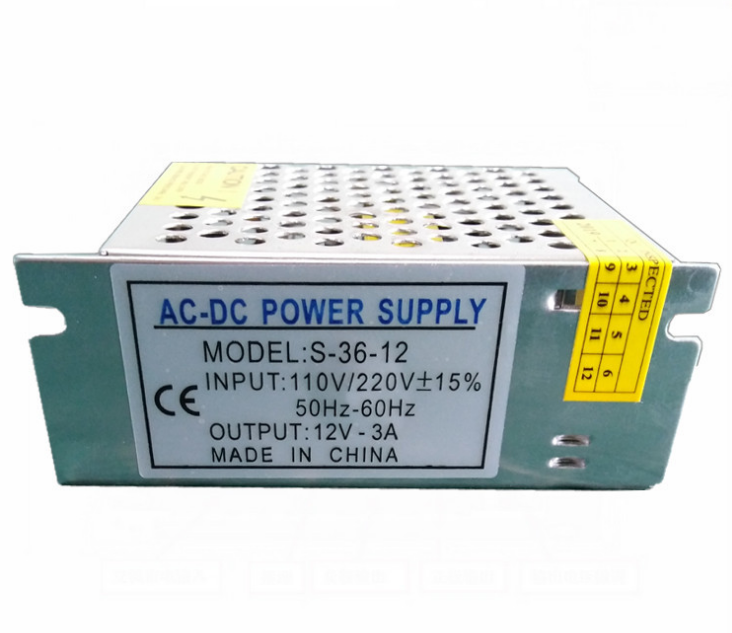
Adapters
Source high-quality lighting adapters from vetted manufacturers and suppliers across Asia. Designed for importers, wholesalers, distributors, and lighting brands seeking reliable bulk purchasing and OEM production, our network delivers compliant, heat-resistant fittings engineered for commercial and residential applications.
Lighting adapters—often referred to as lamp base converters or track adapters—are deceptively simple components that carry significant safety and compliance risks. When sourcing these fittings in bulk, the difference between a reliable product and a fire hazard lies entirely in the raw materials, the precision of the metal stamping, and the factory's internal quality management. For commercial buyers, securing a stable supply chain means looking past the surface appearance and verifying the engineering standards of the manufacturer.
Critical Specifications and Material Selection
The primary function of a lighting adapter is to bridge different lamp bases (such as E27 to GU10, or B22 to E14) while maintaining electrical continuity and managing the thermal load generated by the bulb. Specifying the correct materials is non-negotiable.
Housing Materials
The outer shell must withstand continuous heat without deforming or combusting. Standard plastics will melt and pose a severe fire risk.
| Material | Thermal Resistance | Best Application | Cost Profile |
|---|---|---|---|
| Ceramic / Porcelain | Excellent (over 200°C) | Halogen, high-wattage HID | High |
| PBT (Flame Retardant) | High (up to 150°C) | LED, CFL, general commercial | Medium |
| PC (Polycarbonate) | Moderate (up to 120°C) | Low-wattage LED only | Low |
Conductive Contacts
The internal contacts dictate the electrical resistance and lifespan of the adapter. Premium suppliers use phosphor bronze or pure copper for maximum conductivity and spring retention. Lower-tier factories often substitute these with iron or brass-plated steel to cut costs. Iron contacts increase electrical resistance, generate excess heat, and are highly susceptible to oxidation in humid environments.
Struggling with inconsistent material quality from your current adapter supplier? Let us help you secure reliable, compliant manufacturing.
Talk to our teamManufacturing Tolerances and Quality Control
Injection molding and metal stamping are the core processes in adapter manufacturing. Poorly maintained injection molds result in flash (excess plastic) on the threads, causing bulbs to bind or cross-thread. Inaccurate metal stamping leads to loose contacts, which causes electrical arcing—a primary cause of fitting failures.
To mitigate these risks, implementing rigorous Quality Control & Inspection protocols at the factory level is essential. Relying solely on final random inspections is often too late to catch internal contact issues.
Key QA Checks for Lighting Adapters
- Glow-wire testing (typically 850°C for commercial compliance) to verify flame retardancy.
- Magnet test on internal contacts to ensure no ferrous (iron) materials are used.
- Torque testing on the screw threads to ensure they do not crack under standard installation pressure.
- Dimensional tolerance checks using go/no-go gauges for both the male and female ends.
- High-voltage (Hi-Pot) testing to ensure adequate insulation between the conductive elements and the outer shell.
Compliance and Market Regulations
Lighting fittings are heavily regulated. Adapters imported into the EU or UK must comply with CE (LVD and RoHS directives), while those entering North America typically require UL or ETL listing. Because adapters modify the electrical pathway, customs authorities frequently target them for compliance verification. Partnering with suppliers who maintain active, verifiable certifications is critical. If you are developing custom adapters for proprietary track systems, engaging in professional Compliance & Testing early in the design phase prevents costly delays at the border.
Sourcing Mechanics: MOQs, Pricing, and Lead Times
The barrier to entry for adapter manufacturing is relatively low, which means the market is flooded with varying tiers of suppliers. Identifying a factory capable of sustained volume and consistent quality requires thorough Factory Audits to assess their tooling capabilities and raw material sourcing.
For custom tooling—such as proprietary magnetic track light adapters or branded housings—factories will typically charge a mold fee, which is often amortized or refunded after a specific order volume threshold (usually 50,000 to 100,000 units) is met.
Need to consolidate your lighting accessory supply chain or develop custom track adapters? We can manage the sourcing and production process from end to end.
Get a free consultationFrequently Asked Questions
Sourcing lighting adapters at scale requires strict oversight of raw materials and manufacturing tolerances. By partnering with factories that prioritize engineering integrity over superficial cost-cutting, you protect your brand from the severe liabilities associated with electrical failures.
Get Sourcing Help for Adapters
Tell us your requirements and our experts will connect you with verified manufacturers.