Access Control Card Readers
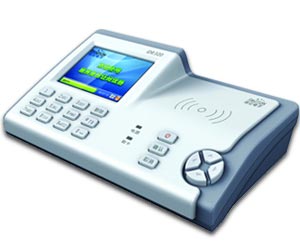
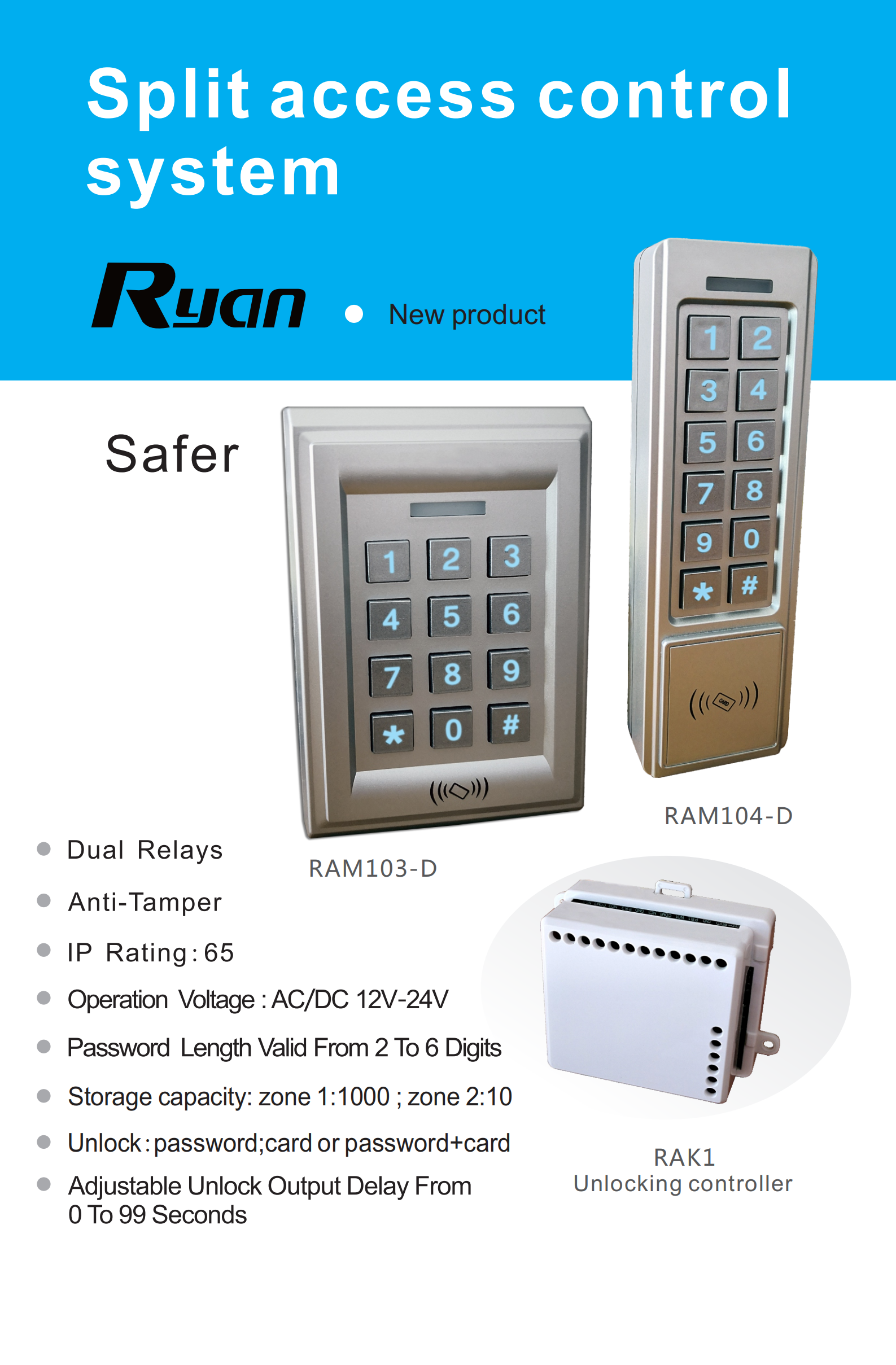
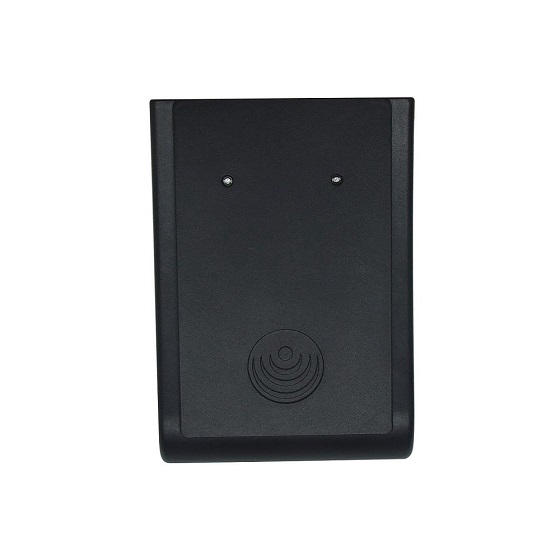
Source high-performance Access Control Card Readers from vetted manufacturers and wholesale suppliers. Built for security distributors, system integrators, and OEM brands buying in volume, our network offers reliable, factory-direct hardware ready for commercial and enterprise access control deployments.
Sourcing commercial-grade access control card readers requires balancing protocol compatibility, environmental durability, and read reliability. For distributors and brands buying in volume, the challenge lies in finding manufacturers capable of consistent antenna tuning, robust firmware development, and reliable weatherproofing, ensuring the hardware performs flawlessly across varied enterprise deployments.
Core Specifications and Communication Protocols
When specifying readers for bulk production, the underlying technology and communication protocols dictate compatibility with backend access control panels. Selecting the right standard is critical for integration.
- Operating Frequencies: Legacy systems often rely on 125kHz (Proximity), while modern deployments demand 13.56MHz (MIFARE Classic, DESFire EV1/EV2/EV3) for encrypted sector reading. Dual-frequency readers are increasingly standard for migration projects.
- Mobile Access: Many modern readers incorporate Bluetooth Low Energy (BLE) and NFC to support mobile credentials.
- Output Protocols: The industry is actively shifting from legacy unencrypted protocols to secure, bidirectional standards.
| Protocol | Security | Wiring Distance | Bidirectional |
|---|---|---|---|
| Wiegand | Unencrypted (Vulnerable) | Up to 150 meters | No |
| OSDP (RS-485) | Encrypted (AES-128) | Up to 1,200 meters | Yes |
| Clock & Data | Unencrypted | Up to 30 meters | No |
Need help matching reader specifications to your target market's access control panels? Our engineering sourcing team can help you identify the right factory.
Discuss your technical requirementsManufacturing Tolerances and Quality Control
The reliability of a card reader is won or lost during PCB assembly and final sealing. Poor antenna tuning leads to inconsistent read ranges, while subpar potting materials result in water ingress and premature failure in outdoor environments.
When evaluating a supplier's production line, pay close attention to their testing protocols. Implementing strict Quality Control & Inspection before shipment is essential to catch defects before they reach your warehouse.
Critical Factory Quality Checks
- Antenna Resonance Tuning: Verifying consistent read ranges (typically 3 to 8 cm) across the entire production batch.
- Potting and Sealing: Ensuring high-grade epoxy resin is used for full encapsulation to achieve genuine IP65 or IP67 ratings.
- Voltage Tolerance Testing: Confirming the reader operates stably across voltage fluctuations (typically 9V to 16V DC).
- Aging Tests: Running readers continuously for 48 to 72 hours at elevated temperatures to identify early component failure.
OEM/ODM and Customization Capabilities
Many security brands choose to private-label or co-develop readers. Customization ranges from simple logo printing and bespoke housing designs to complex firmware modifications for proprietary encryption keys or custom Wiegand bit formats.
If you are pursuing custom development, utilizing professional OEM/ODM Services ensures your intellectual property is protected and the factory has the actual R&D bandwidth to deliver. Conducting thorough Factory Audits prior to engagement will verify if a supplier is a true manufacturer with in-house engineers, rather than a trading company outsourcing the firmware development.
Typical Pricing, MOQs, and Lead Times
Procurement planning requires realistic expectations regarding minimum order quantities and production timelines. Costs scale significantly based on frequency support, keypad inclusion, and OSDP certification.
Looking to consolidate your access control hardware supply chain? Speak to our team about negotiating better terms with top-tier Asian manufacturers.
Get a sourcing quoteFrequently Asked Questions
Securing a reliable supply of access control card readers means looking beyond unit price and scrutinizing a manufacturer's engineering discipline. By partnering with suppliers who maintain strict quality standards and understand complex communication protocols, you can confidently scale your hardware deployments without risking field failures.
Get Sourcing Help for Access Control Card Readers
Tell us your requirements and our experts will connect you with verified manufacturers.