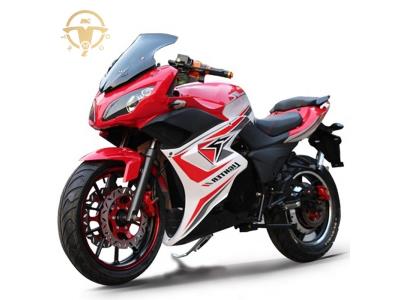
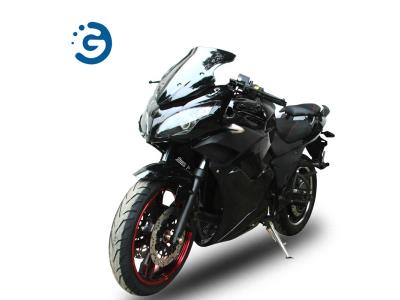
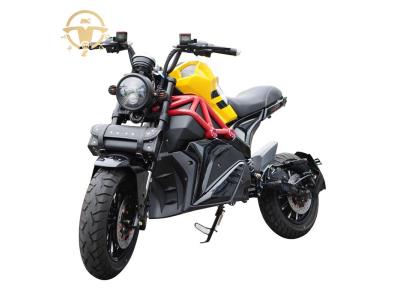
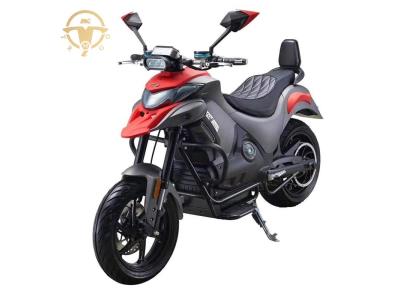
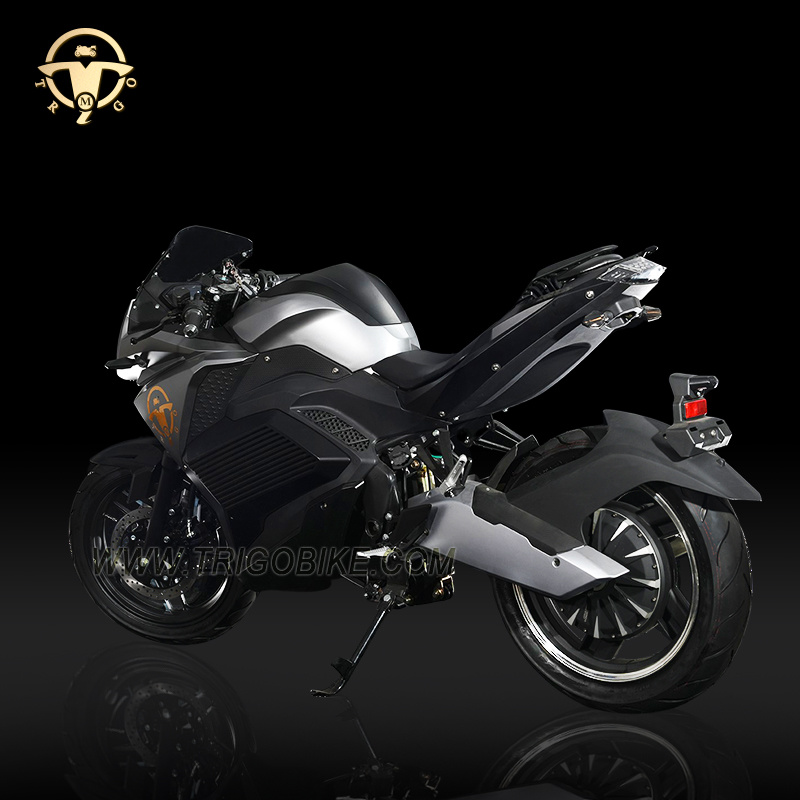
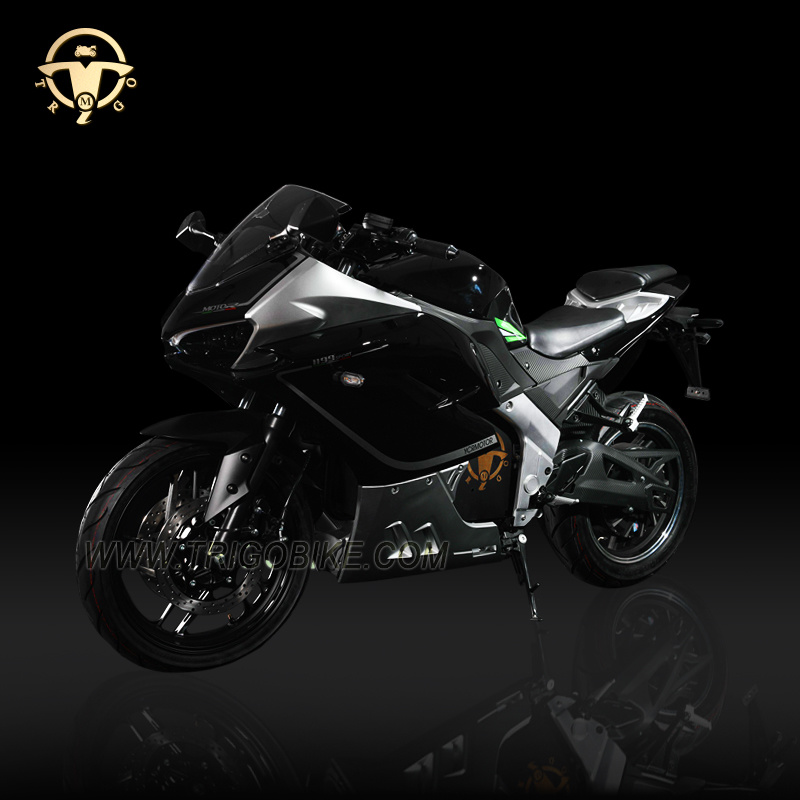
250cc
Source reliable 250cc motorcycles directly from vetted manufacturers and wholesale suppliers. Designed for importers, distributors, and brands seeking OEM production, our network delivers scalable volumes, consistent quality, and competitive pricing for global markets.
The 250cc motorcycle segment represents the global sweet spot for urban commuting, entry-level sport bikes, and dual-purpose utility. Sourcing these motorcycles in bulk requires balancing unit cost against stringent emissions standards and road-legal homologation requirements. The primary sourcing challenge lies in identifying factories capable of consistent engine assembly and precision frame welding, rather than relying on generic component assemblers who cut corners on electrical harnesses and suspension tolerances.
Core Engine and Configuration Specifications
When negotiating with a 250cc manufacturer, the engine architecture dictates both the target market and the price point. Most factories utilize established engine designs (often derived from legacy Japanese blueprints like the CG, CB, or CBB series), but the execution varies wildly.
You must specify the exact configuration required for your market:
- Cylinder Configuration: Single-cylinder engines dominate this class for their cost-effectiveness and durability. Twin-cylinder options are available for premium sport and cruiser models, offering smoother power delivery at a higher wholesale cost.
- Cooling Systems: Air-cooled engines (often with oil coolers) are standard for utility and entry-level dirt bikes. Liquid-cooled systems are mandatory for high-compression sport models to prevent overheating under sustained load.
- Fuel Delivery: The shift from carburetors to Electronic Fuel Injection (EFI) is the most critical compliance driver today.
| Fuel System | Cost Impact | Emissions Compliance | Target Markets |
|---|---|---|---|
| Carburetor | Lowest | Fails Euro 4/5 and modern EPA | Developing markets, Off-road only |
| Basic EFI (Generic) | Moderate | Can meet basic EPA/Euro 4 | Budget street-legal models |
| Premium EFI (e.g., Delphi/Bosch) | Highest | Meets Euro 5 and strict EPA/DOT | US, EU, UK, Premium Global |
Manufacturing Tolerances and Quality Control
A motorcycle is only as reliable as its assembly line. Many export-oriented factories operate as final assemblers, sourcing engines, frames, and plastics from a network of sub-suppliers. This fragmented supply chain introduces significant variance in batch quality.
Need boots on the ground to verify a motorcycle factory's assembly standards? We can evaluate their production lines before you place a deposit.
Talk to our teamTo protect your investment, robust Quality Control & Inspection must be implemented at specific production milestones. Focus on these critical failure points:
Critical 250cc Factory Inspection Points
- Frame Welding: Inspect for continuous, slag-free robotic or high-grade manual MIG welds, particularly at the steering head and swingarm pivot.
- Electrical Harness: Ensure automotive-grade waterproof connectors are used, and routing avoids high-heat engine components.
- Suspension Seals: Verify the sourcing of fork seals; cheap elastomers degrade rapidly, leading to hydraulic leaks.
- Engine Run-In: Confirm the factory performs a dyno or rolling-road test on 100 percent of assembled units to check transmission engagement and EFI mapping.
Market Compliance and Homologation
Importing 250cc motorcycles requires navigating complex regulatory landscapes. A factory claiming "EPA approved" or "EEC certified" often holds a certificate for a specific, older model that may not cover the exact configuration you are purchasing.
If you are importing to North America or Europe, the factory must provide valid, verifiable homologation documents (DOT/EPA for the US, Euro 5/EEC for Europe) for the specific VIN sequence and engine family you are buying. Navigating this requires rigorous Compliance & Testing verification. If you are modifying the exhaust, intake, or EFI mapping for an OEM brand, the motorcycle will likely require re-certification.
Purchasing Mechanics: MOQ, Pricing, and Shipping
Volume pricing in the motorcycle industry is heavily dependent on how the bikes are packed and shipped.
CBU vs. SKD vs. CKD Shipping
- CBU (Completely Built Up): The motorcycle is fully assembled in China. Highest freight cost per unit due to space constraints, but requires zero assembly infrastructure in your destination country.
- SKD (Semi Knocked Down): Front wheel, handlebars, and sometimes the front suspension are removed and crated. Increases container density by 30 to 40 percent.
- CKD (Completely Knocked Down): Every component is packed separately. Maximizes container space and often bypasses high import tariffs on finished vehicles, but requires a domestic assembly plant.
If you are developing a proprietary brand, leveraging OEM/ODM Services allows you to specify custom liveries, upgraded suspension components, and tailored EFI mapping directly on the factory floor, rather than modifying stock units post-import.
Planning a high-volume SKD or CKD import program? Let us help you structure the supply chain and negotiate factory pricing.
Get a free consultationBuyer FAQ
Sourcing 250cc motorcycles at scale is an exercise in risk management. Success depends less on finding the lowest quoted price on Alibaba, and more on auditing the factory's sub-tier suppliers, verifying their homologation paperwork, and strictly controlling the assembly process.
Get Sourcing Help for 250cc
Tell us your requirements and our experts will connect you with verified manufacturers.