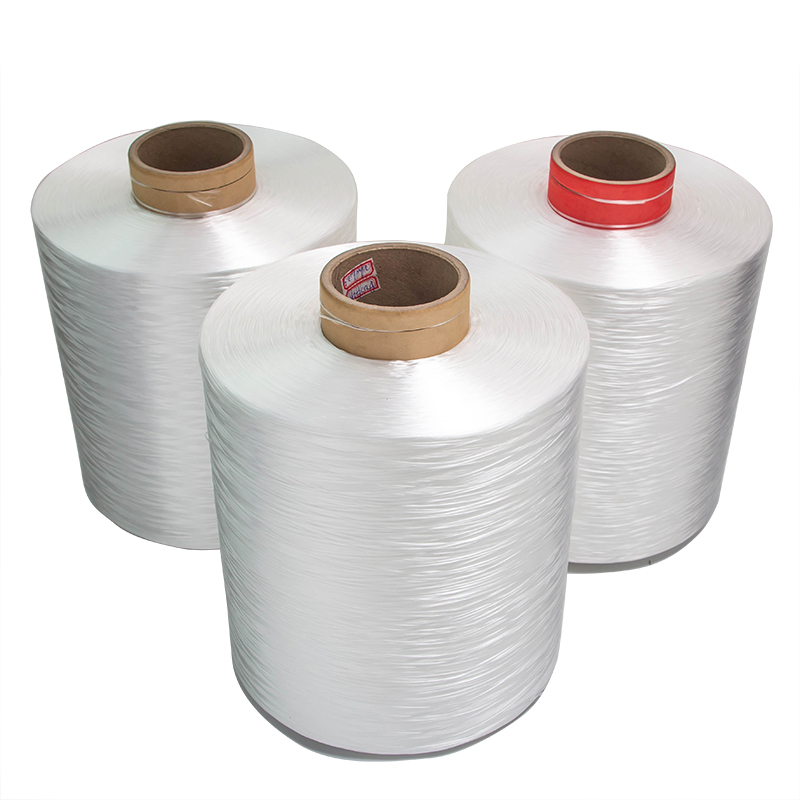
100% Nylon Yarn
Source premium 100% Nylon Yarn from vetted manufacturers and suppliers across Asia. Built for textile importers, wholesale distributors, and apparel brands seeking reliable bulk production, our network delivers consistent quality for high-volume manufacturing and custom OEM requirements.
Sourcing 100% nylon yarn (polyamide) in commercial volumes requires strict oversight of polymer purity and spinning consistency. Whether you are procuring yarn for high-stretch activewear, hosiery, or heavy-duty industrial textiles, the core sourcing challenge remains the same: ensuring lot-to-lot consistency. Even minor fluctuations in tension or temperature during the extrusion process can lead to severe dye uptake variations, causing costly barré (striping) in the finished fabric.
Defining Your Nylon Yarn Specifications
When communicating with manufacturers, vague specifications lead to unusable shipments. Your procurement sheets must explicitly define the chemical composition, processing state, and physical parameters of the yarn.
| Parameter | Polyamide 6 (PA6) | Polyamide 66 (PA66) |
|---|---|---|
| Base Material | Caprolactam | Hexamethylenediamine & Adipic Acid |
| Melting Point | Approx. 220°C | Approx. 260°C |
| Primary Application | Apparel, hosiery, lightweight fabrics | Industrial textiles, automotive, high-tenacity gear |
| Cost & Availability | More economical, widely available | Higher cost, specialized production |
Beyond the PA6 versus PA66 decision, buyers must specify the processing state:
- POY (Partially Oriented Yarn): The primary intermediate yarn, requiring further drawing and texturizing.
- DTY (Drawn Textured Yarn): Processed from POY to introduce bulk and stretch, making it ideal for apparel.
- FDY (Fully Drawn Yarn): Highly oriented during spinning, resulting in a smooth, flat yarn used for high-strength, non-stretch applications.
You must also define the Luster (Bright, Semi-Dull, or Full Dull) and the Denier/Filament (D/F) ratio. A 70D/24F yarn will behave very differently in a knitting machine than a 70D/68F micro-filament yarn, altering both hand-feel and fabric density.
Manufacturing Variances and Quality Control
The quality of 100% nylon yarn is won or lost on the factory floor during the melt-spinning process. Inconsistent quenching (cooling) or uneven winding tension results in broken filaments and elongation variance.
Critical Factory-Level Quality Checks
- Oil Pick-Up (OPU) levels: Must be consistent to ensure smooth running on knitting/weaving machines.
- Tenacity and Elongation testing: Verifying breaking strength matches the technical data sheet.
- Boiling Water Shrinkage: Crucial for predicting how the yarn will behave during the dyeing process.
- Evenness (Uster percent): Checking for thick and thin places in the filament.
- Color fastness and dye uniformity testing across different bobbins from the same lot.
Relying solely on a supplier's internal lab reports carries risk. Implementing independent Quality Control & Inspection protocols before the containers are loaded ensures that elongation, tenacity, and OPU metrics actually meet your contractual tolerances.
Struggling with inconsistent dye uptake or broken filaments from your current suppliers? Let us audit your supply chain and connect you with vetted, export-ready nylon spinners.
Talk to our teamSourcing Mechanics: Pricing, MOQs, and Lead Times
The pricing of 100% nylon yarn is highly volatile, tied directly to global crude oil and caprolactam indices. When negotiating bulk contracts, it is vital to understand the baseline mechanics of the trade.
Pricing Drivers:
- Raw Material Fluctuations: PA66 commands a premium over PA6 due to the complexity of its precursors.
- Filament Count: Micro-filament yarns (where the denier per filament is under 1.0) require slower spinning speeds and stricter tension control, driving up the cost per kilogram.
- Specialty Additives: Dope-dyed (solution-dyed) yarns, anti-microbial treatments, or recycled nylon (ECONYL-equivalent) formulations will significantly increase the base price.
Before committing to a high-volume contract, conducting thorough Factory Audits is essential to verify the manufacturer's actual extrusion capacity and their ability to source high-grade polymer chips consistently.
Need accurate, current market pricing for bulk PA6 or PA66 yarn? We negotiate directly with top-tier Asian mills to secure favorable terms for our clients.
Get a free consultationBuyer FAQ
Sourcing commercial-grade 100% nylon yarn requires technical vigilance—from verifying the purity of the polymer chips to monitoring the OPU levels on the finished bobbins. Securing a reliable supply chain protects your production timelines and eliminates costly fabric defects down the line. If you need expert support managing mill negotiations, quality assurance, and logistics, our team is ready to assist.
Get Sourcing Help for 100% Nylon Yarn
Tell us your requirements and our experts will connect you with verified manufacturers.