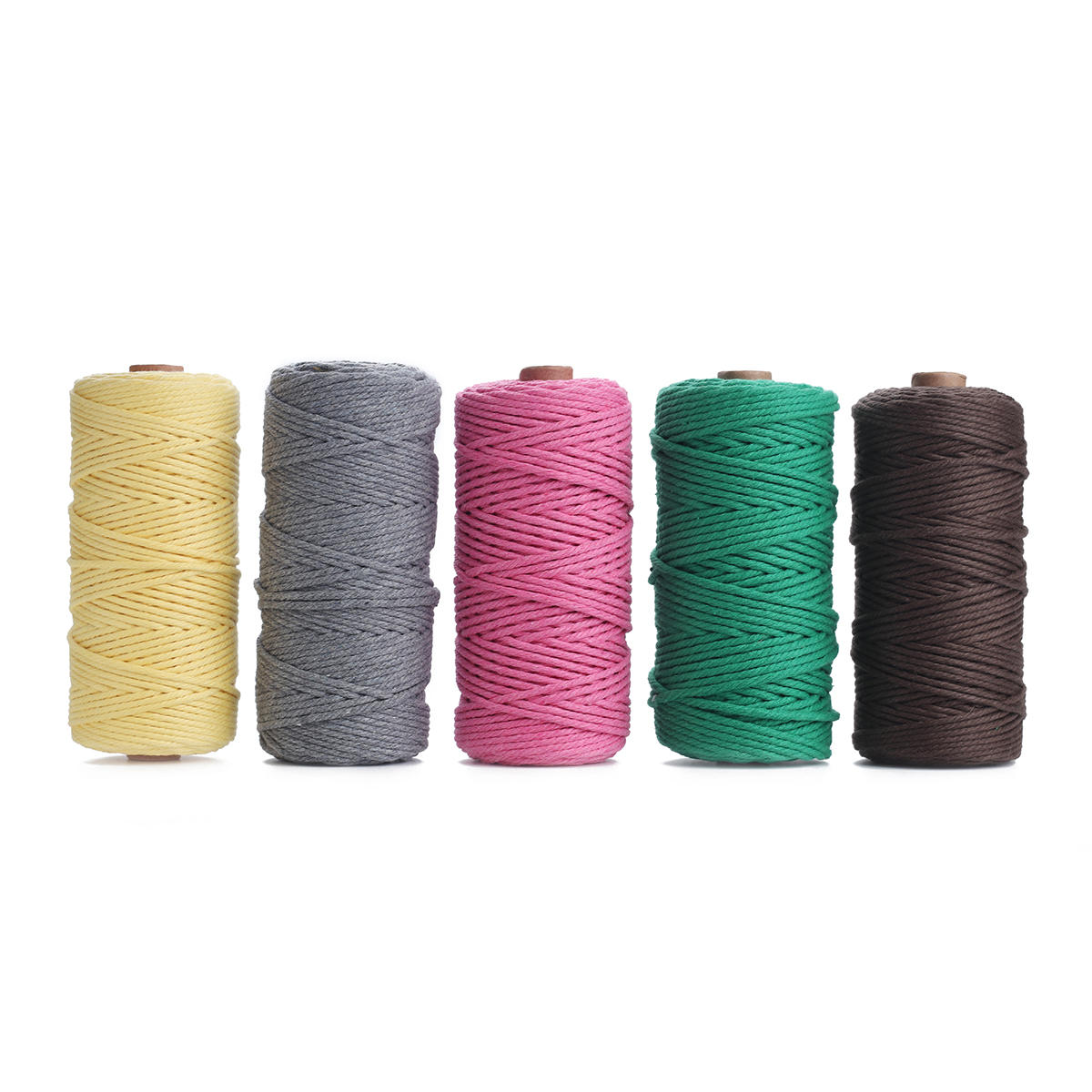
100% Cotton Yarn
Source premium 100% Cotton Yarn from vetted suppliers and manufacturers across Asia. Designed for textile importers, distributors, and apparel brands managing large-scale production, our network offers reliable bulk purchasing and custom spinning options to meet exact count and quality specifications.
Sourcing 100% cotton yarn at scale means navigating fluctuating raw material indices and strict technical specifications. For commercial weaving and knitting operations, consistency in yarn count, twist, and tensile strength is non-negotiable. A fractional deviation on the spinning floor can cause significant downtime and fabric defects downstream.
Spinning Technology and Yarn Specifications
The fundamental driver of both cost and quality in 100% cotton yarn is the spinning method. Buyers must match the spinning technology to the end-use of the fabric, balancing tensile strength, evenness, and price.
| Spinning Method | Yarn Characteristics | Typical End Use |
|---|---|---|
| Open End (OE) | Lower strength, bulkier, highly cost-effective | Denim, heavy towels, industrial fabrics |
| Ring Spun (Carded) | Good strength, retains some short fibers, moderate cost | Standard jersey, fleece, casual woven fabrics |
| Ring Spun (Combed) | High strength, smooth, short fibers removed | Premium apparel, high-thread-count shirting |
| Compact Spun | Maximum strength, exceptionally low hairiness | High-end knits, luxury bedding |
Beyond the spinning method, purchase orders must strictly define the yarn count (typically measured in Ne for cotton), the twist direction (Z-twist or S-twist), and the twists per inch (TPI). Knitting yarns generally require a lower twist multiple for a softer hand, while weaving yarns need a higher twist to withstand the tension of the loom.
Need to match a specific yarn profile or find mills with advanced compact spinning capabilities? Let us help you identify the right manufacturing partners.
Talk to our teamQuality Control Metrics for Cotton Yarn
Evaluating a spinning mill requires looking past basic samples and examining their Uster statistics. High-volume buyers should focus on these critical quality parameters during production:
- Count Strength Product (CSP): The standard measure of yarn strength. Low CSP leads to breakage during weaving or knitting.
- Evenness (Uster CV%): Variations in yarn thickness. Uneven yarn causes structural striping in dyed fabrics.
- Neps and Thick/Thin Places: Tangled knots of short fibers. High nep counts ruin the appearance of smooth fabrics.
- Hairiness (H-value): Excessive hairiness leads to pilling and poor print clarity on the finished textile.
Relying solely on supplier-provided data is risky. Executing independent factory audits to verify the age and maintenance of a mill's carding and spinning machinery is essential. Furthermore, implementing in-line and pre-shipment quality control testing ensures the yarn meets the agreed-upon Uster standards before it leaves the facility.
Bulk Pricing, MOQs, and Lead Times
Cotton yarn pricing is inherently volatile, tied directly to global ICE cotton futures and local basis prices.
Key Pricing Drivers
- Raw Material Grade: Long-staple and extra-long-staple (ELS) cotton command significant premiums over standard upland cotton.
- Processing Losses: Combed yarn is more expensive not just because of the extra machine process, but because the combing process removes 15 to 20 percent of the raw cotton weight (noils).
- Certifications: Organic cotton (GOTS) or Better Cotton Initiative (BCI) yarns require segregated supply chains. Validating these claims requires rigorous compliance testing and documentation tracking.
Navigating volatile cotton indices and negotiating bulk contracts requires market leverage. Discuss your procurement strategy with our sourcing experts.
Get a free consultationBuyer FAQ
Securing a reliable supply of 100% cotton yarn requires technical precision and a deep understanding of spinning mill capabilities. By locking down strict quality parameters and auditing production machinery, buyers can eliminate costly downstream fabric defects. If you need dedicated support managing your textile supply chain, our team is ready to assist.
Get Sourcing Help for 100% Cotton Yarn
Tell us your requirements and our experts will connect you with verified manufacturers.